Mutina tiles aren’t about following trends, they’re about breaking them. Since 2005, this Italian powerhouse has been partnering with iconic designers to shake up the world of ceramics with boundary-pushing designs that blur the lines between art and architecture.
Crafted to challenge everything you thought you knew about ceramic tile.
With a range of collections that use dimension, vibrant colors, and patterns to create interest, Mutina is a playground for creativity.
Mutina Collections
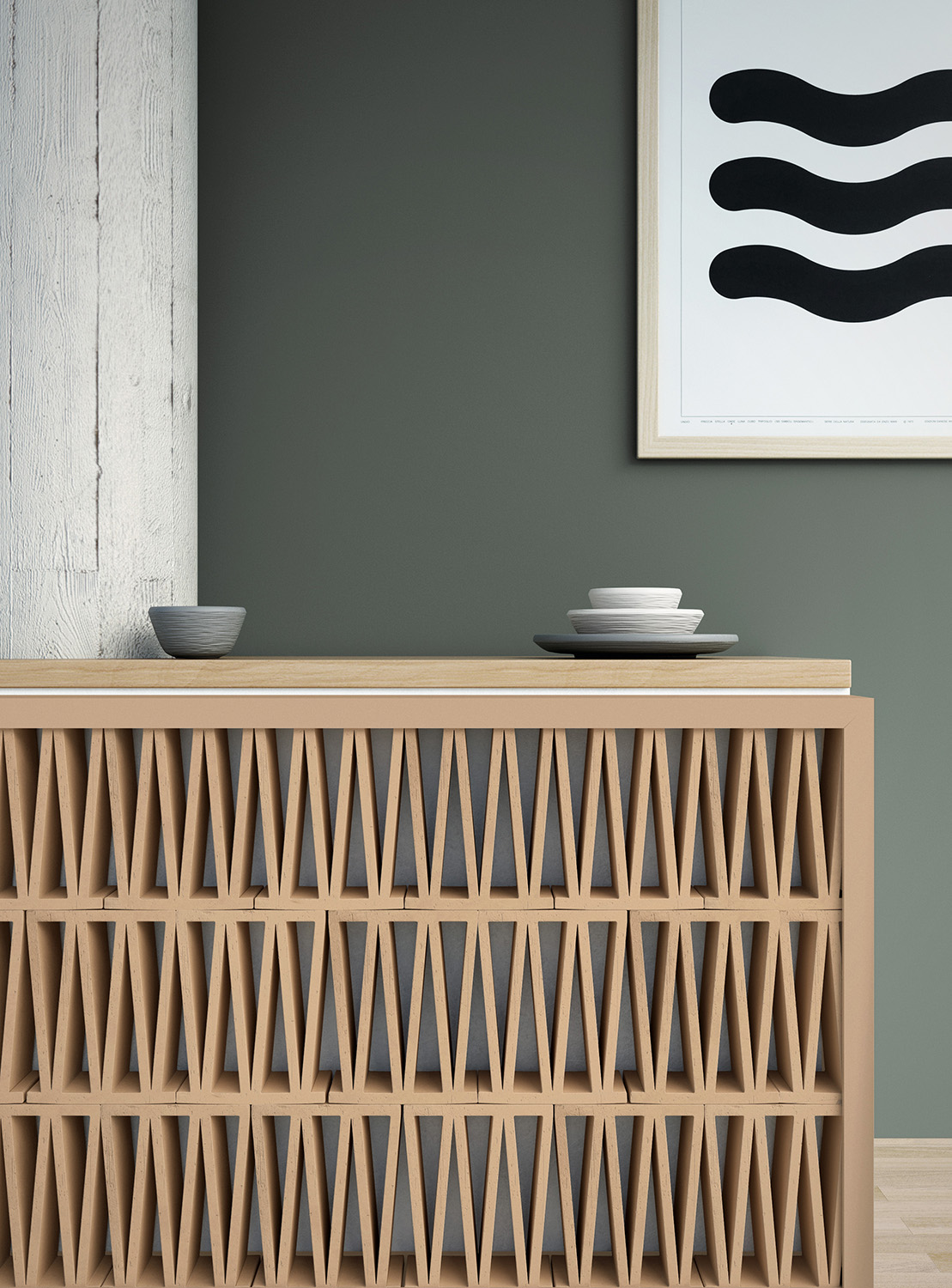
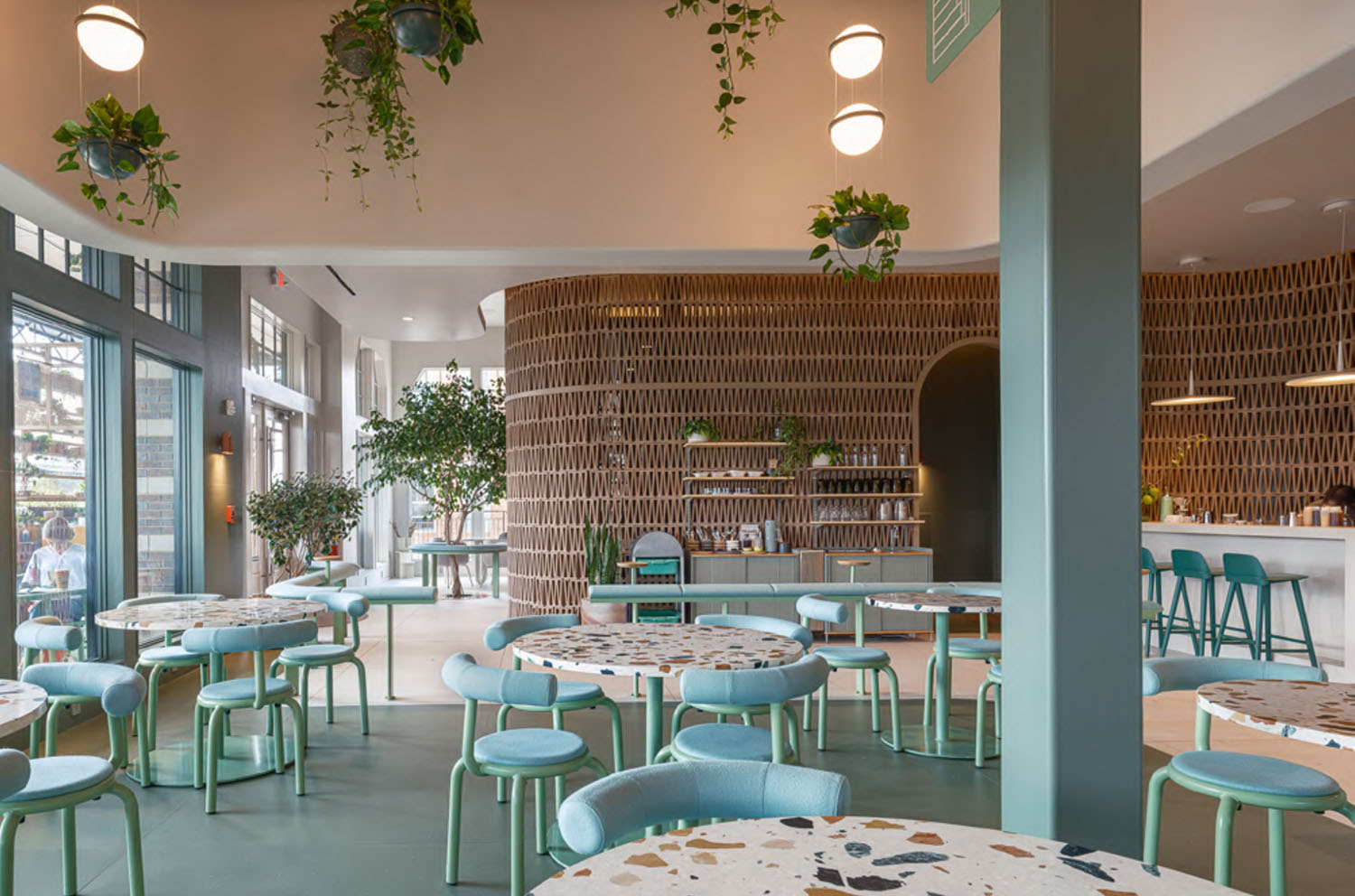
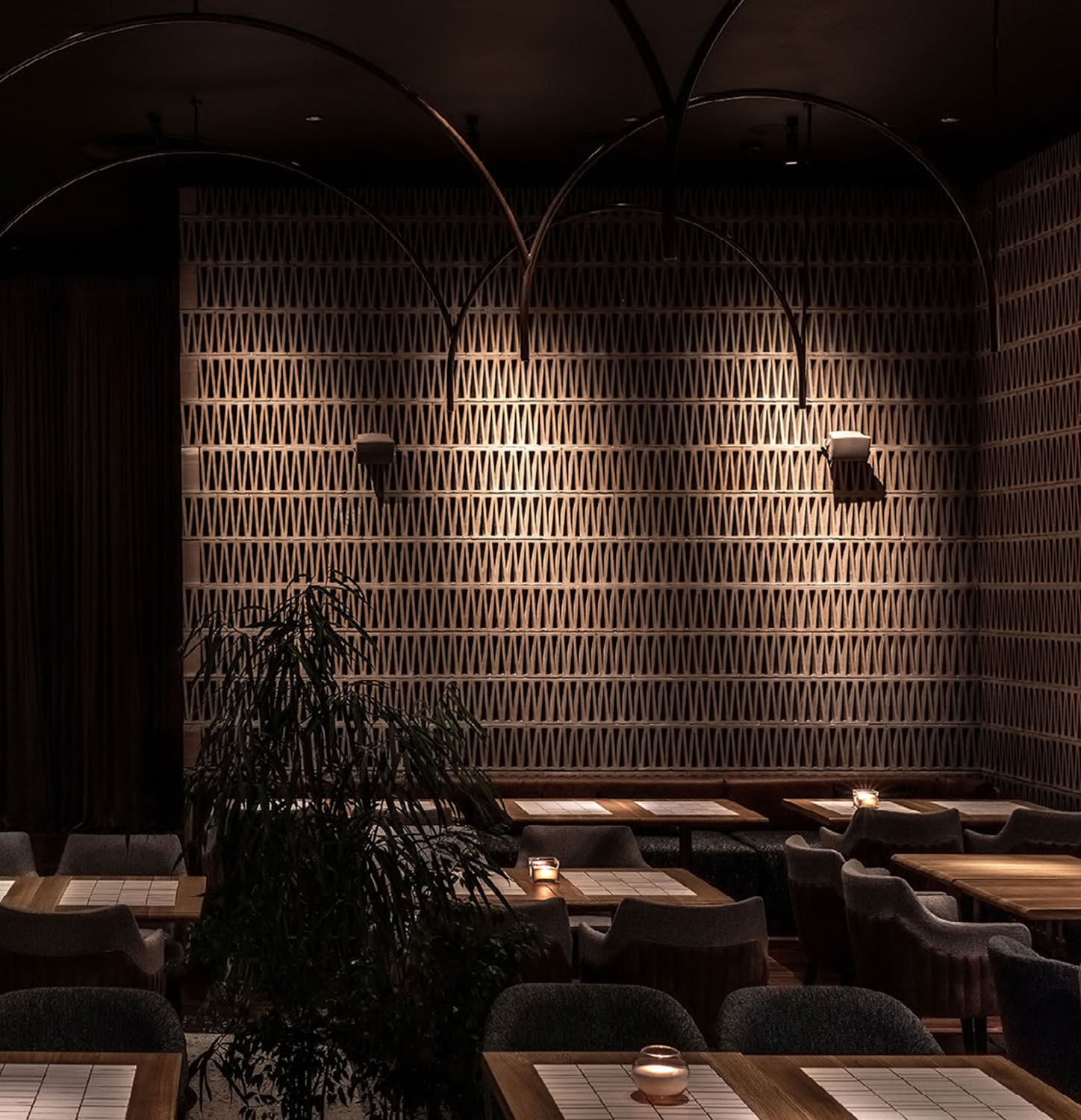
Mutina Celosia
I needed a real, tactile matter, which did not pretend to be anything else. I was looking for a warm element, both visually and to the touch."
Patricia Urquiola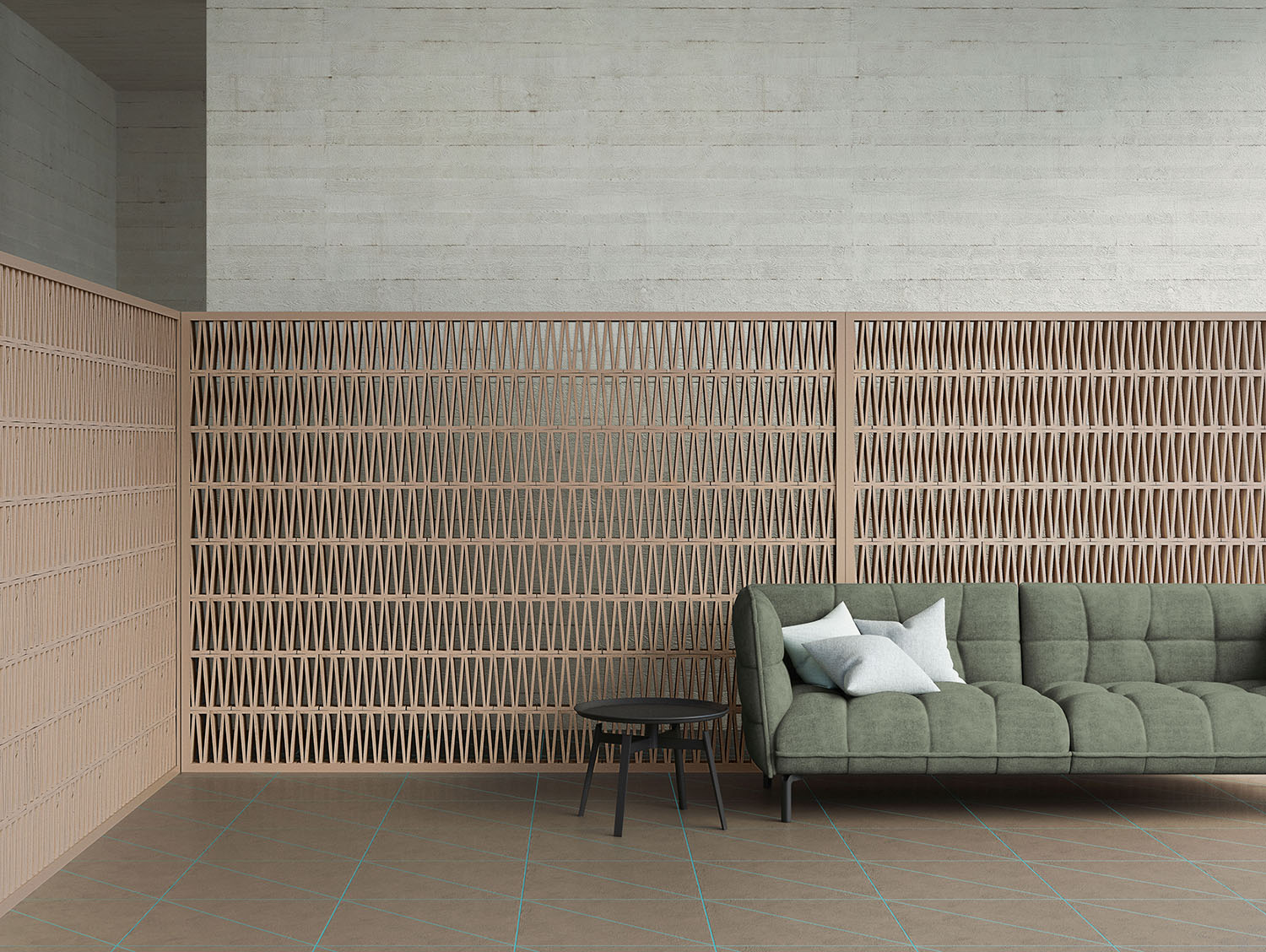
Déchirer comes from the idea of creating a surface inspired by concrete, always preserving its identity of ceramic."
Patricia UrquiolaMutina Déchirer
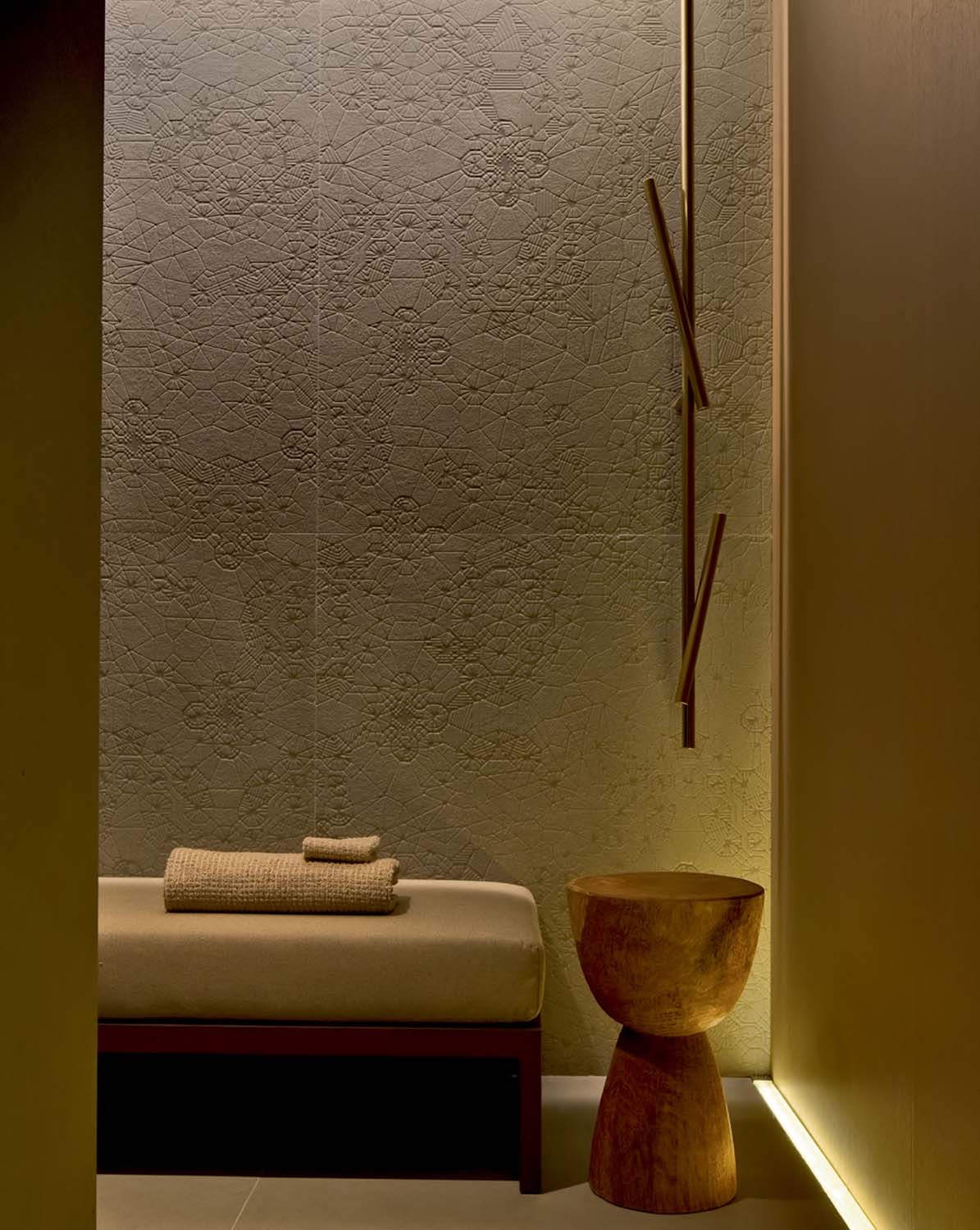
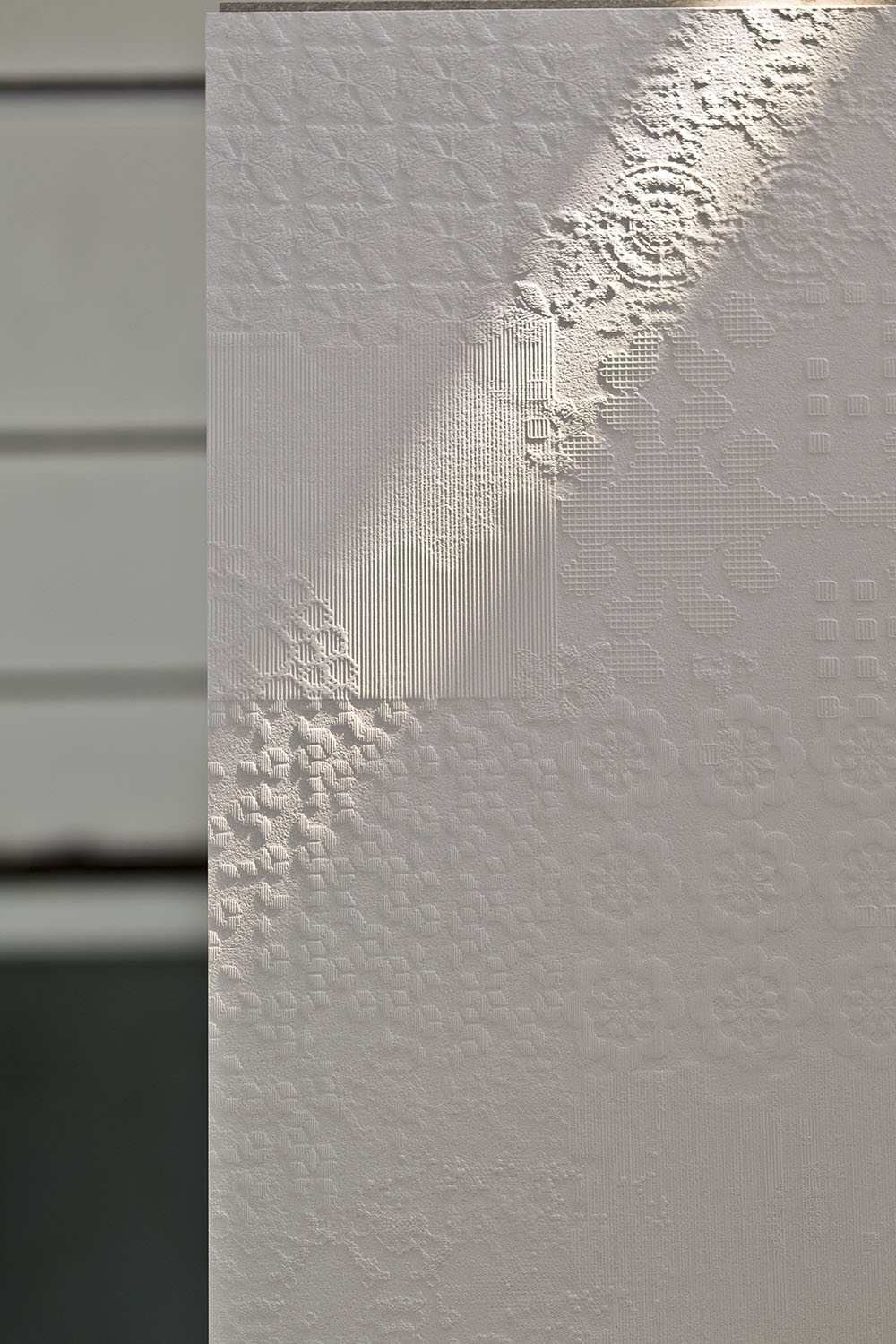
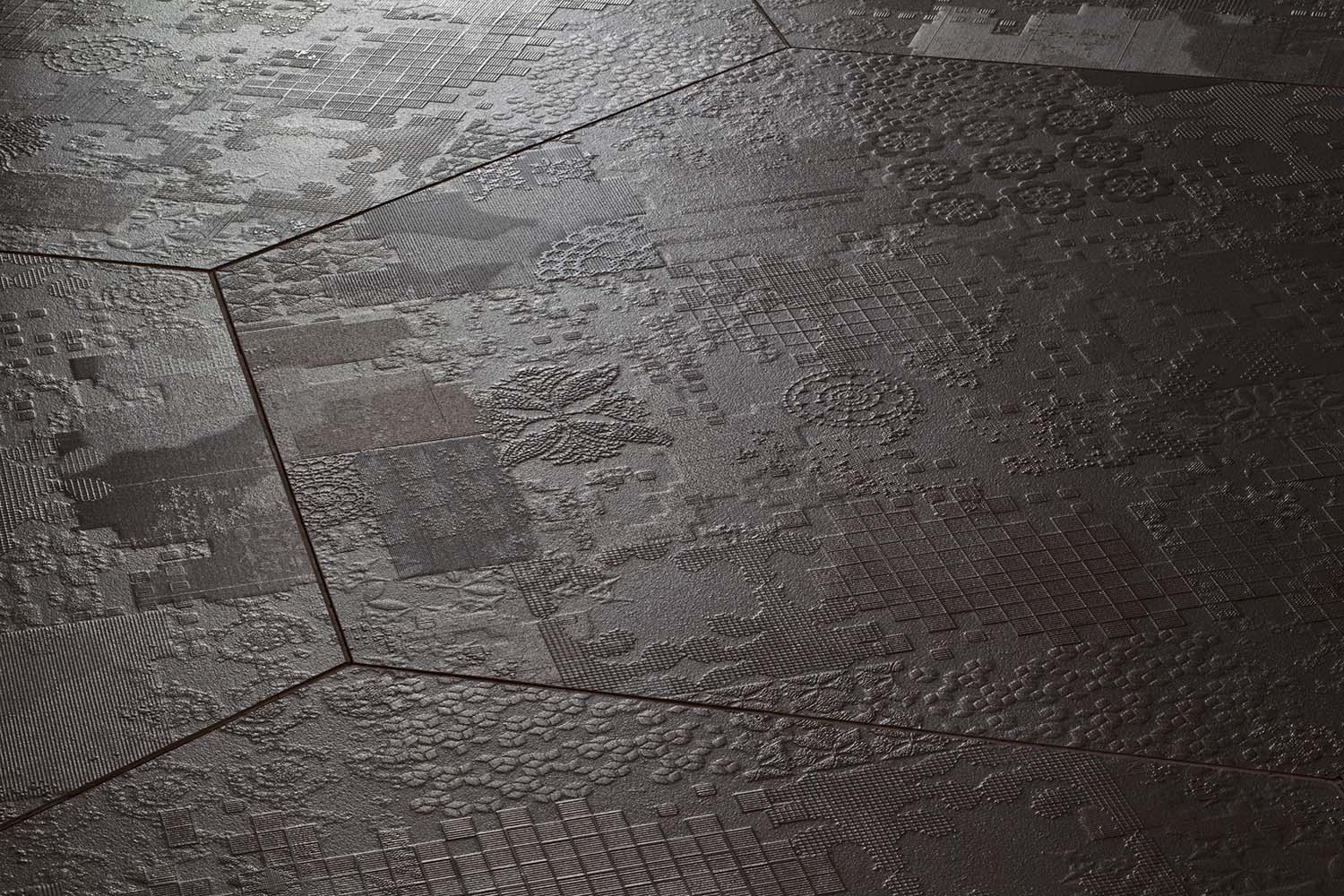
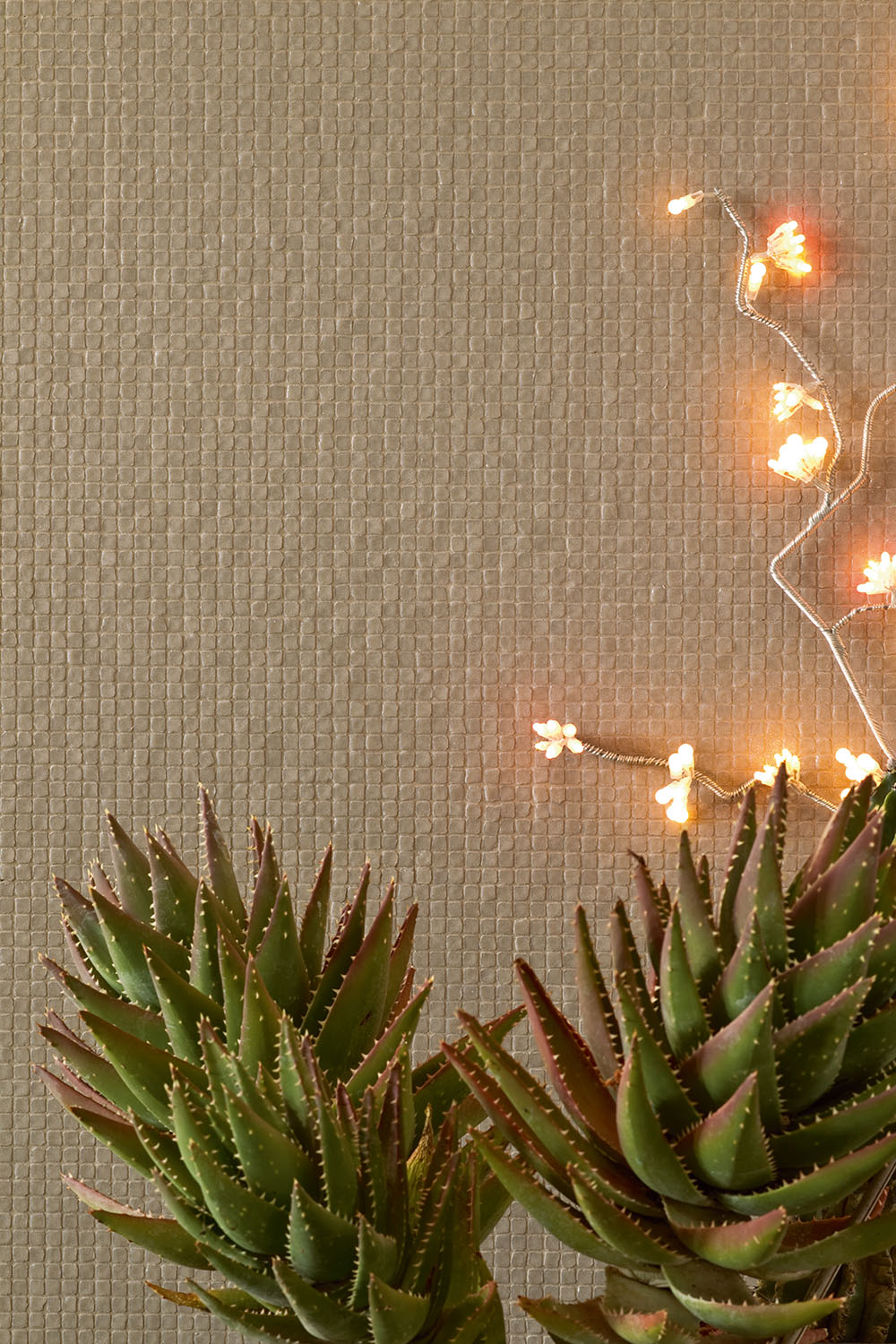
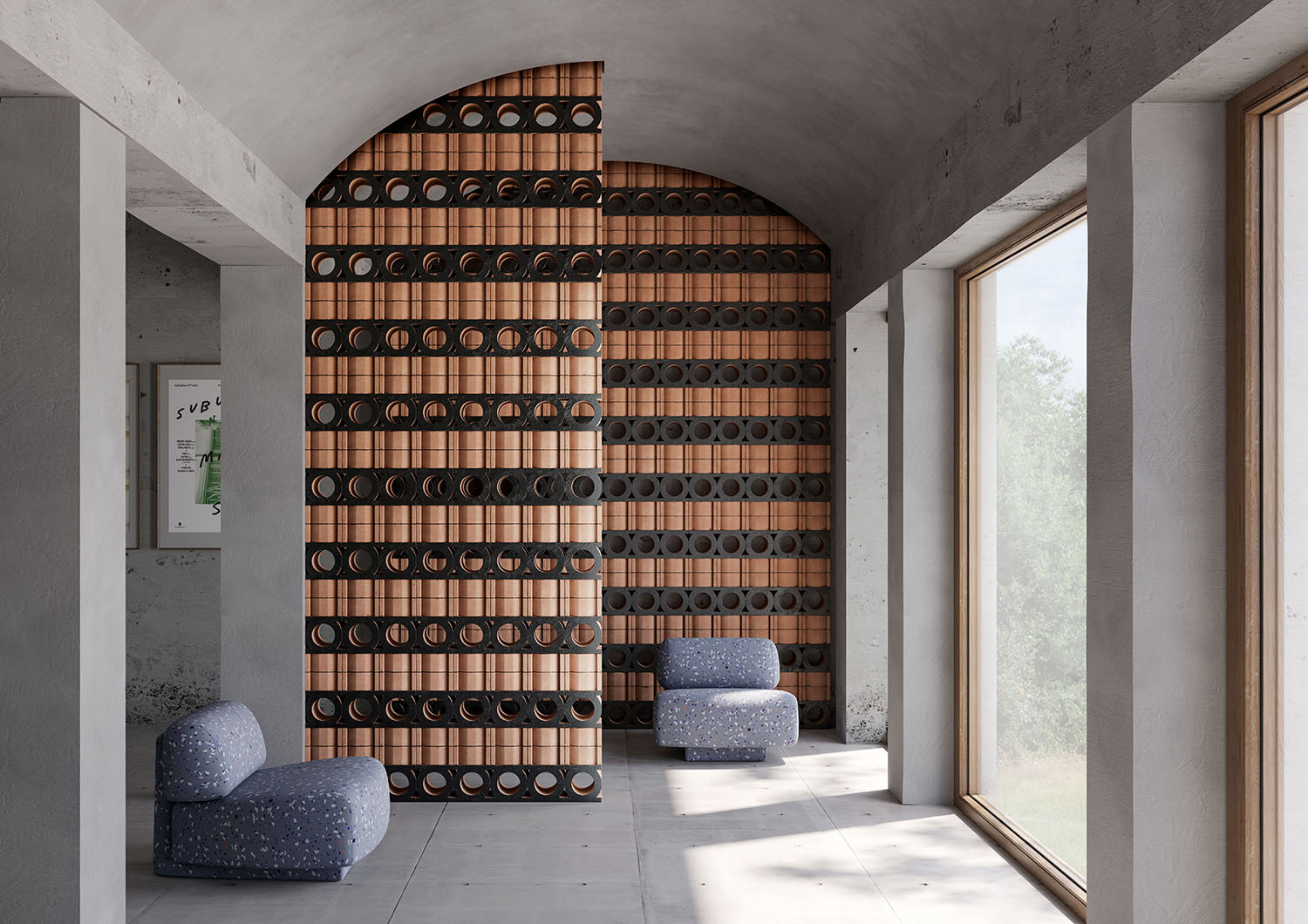
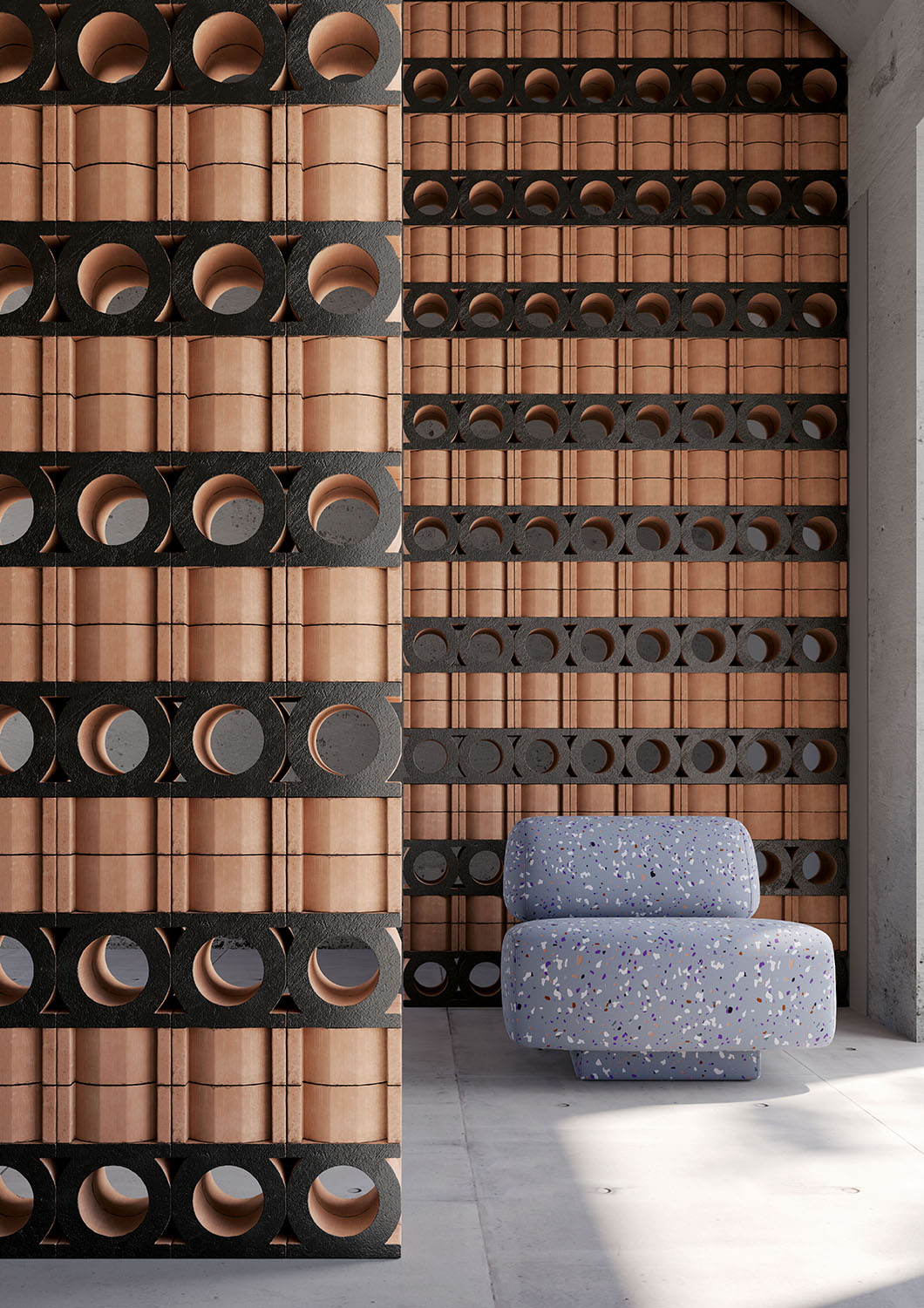
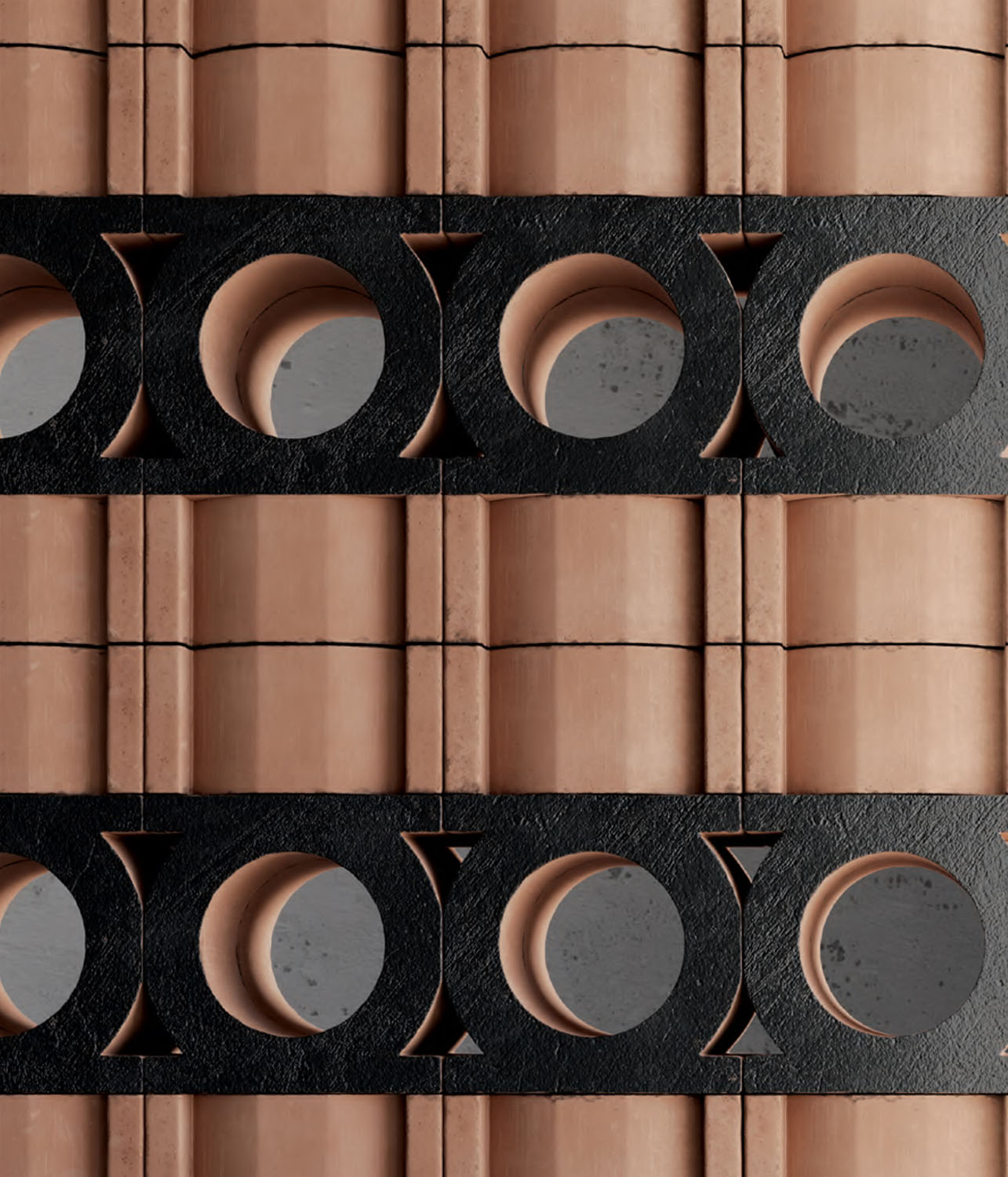
Mutina Jali
Jali can be placed in many different ways: both vertically and horizontally, in line or in staggered positions, creating dynamic filters, architectural elements as well as real furniture."
Patricia Urquiola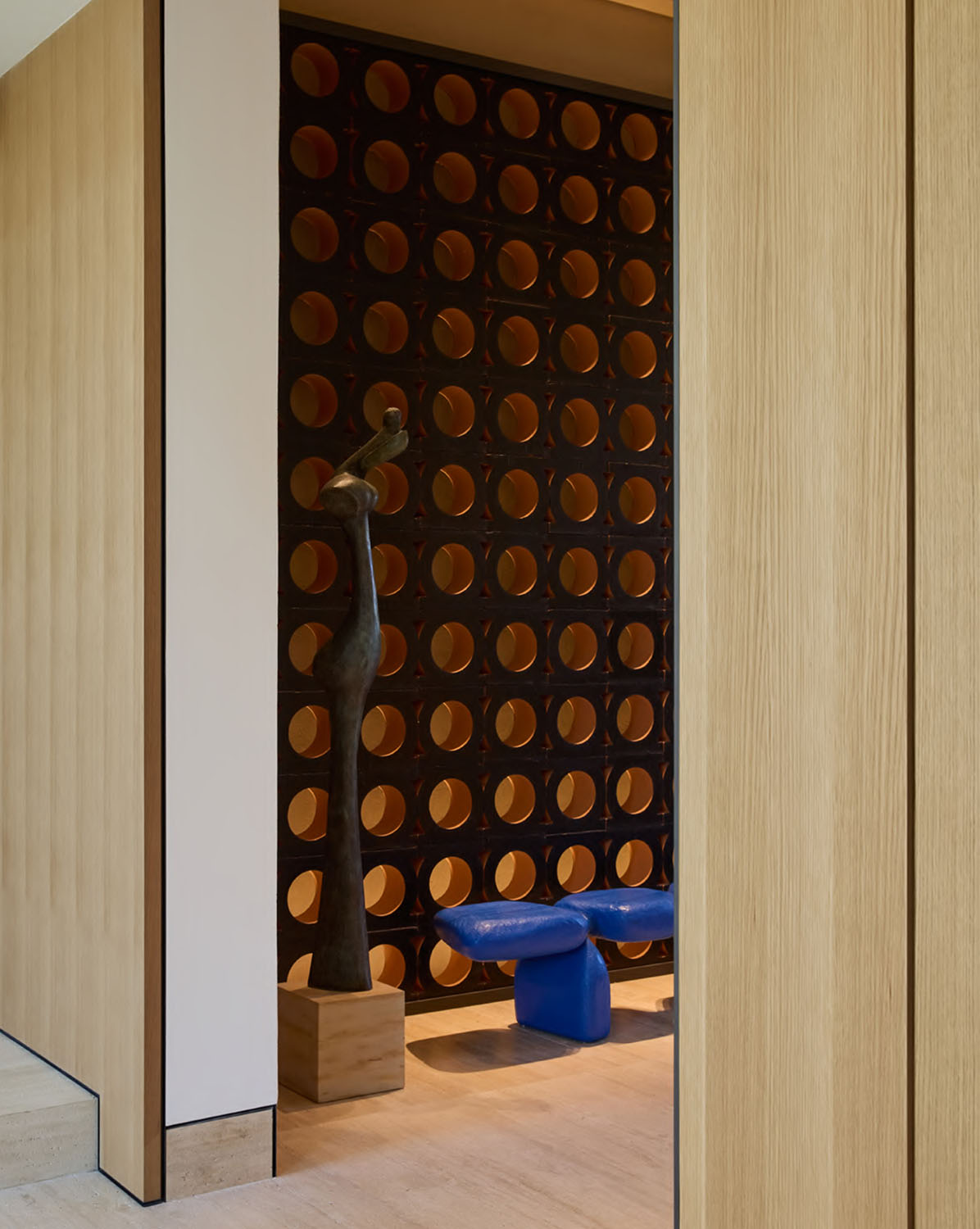
Mater is made of technology, experimentation, craftsmanship to the eye and to the touch."
Patricia UrquiolaMutina Mater
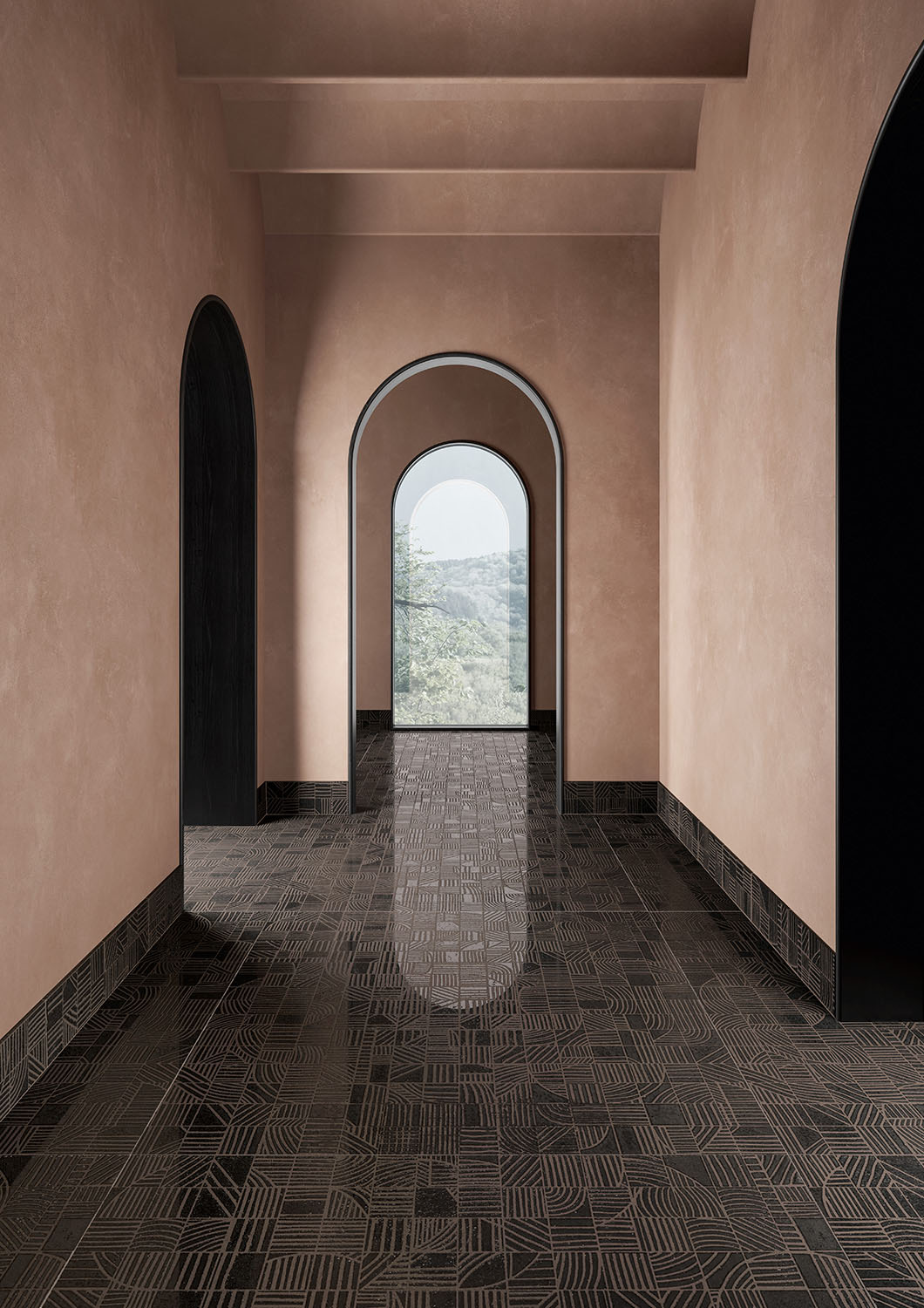
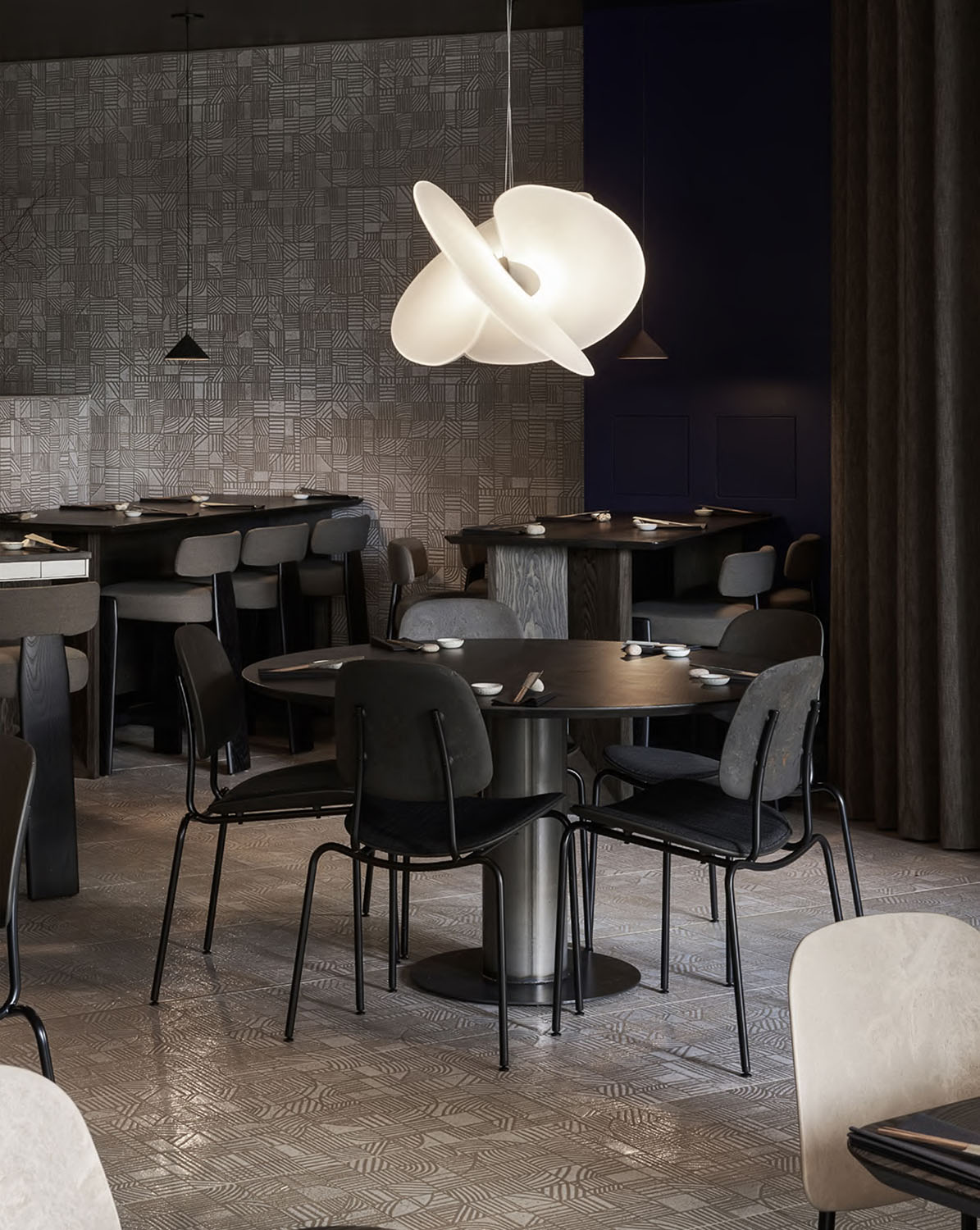
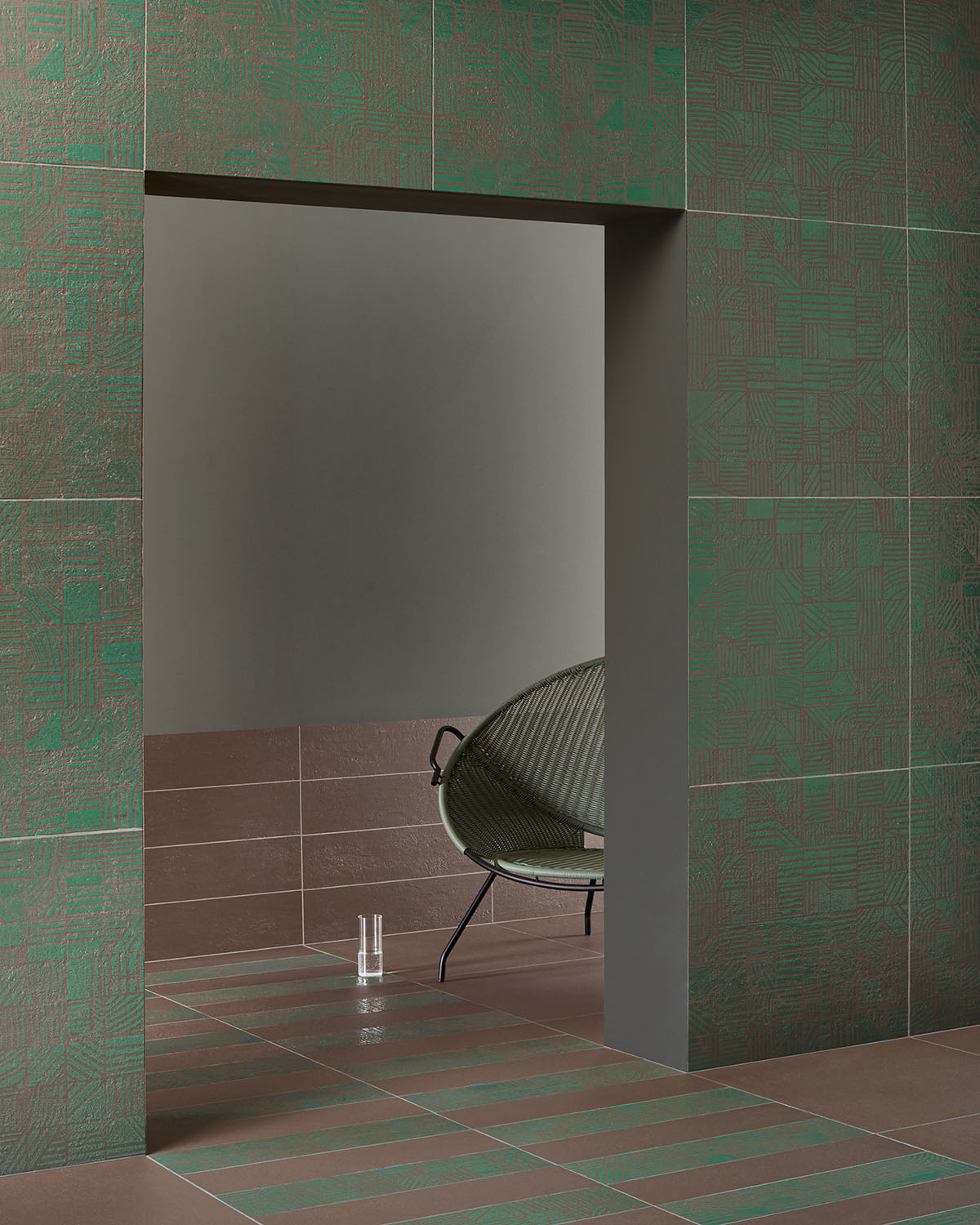
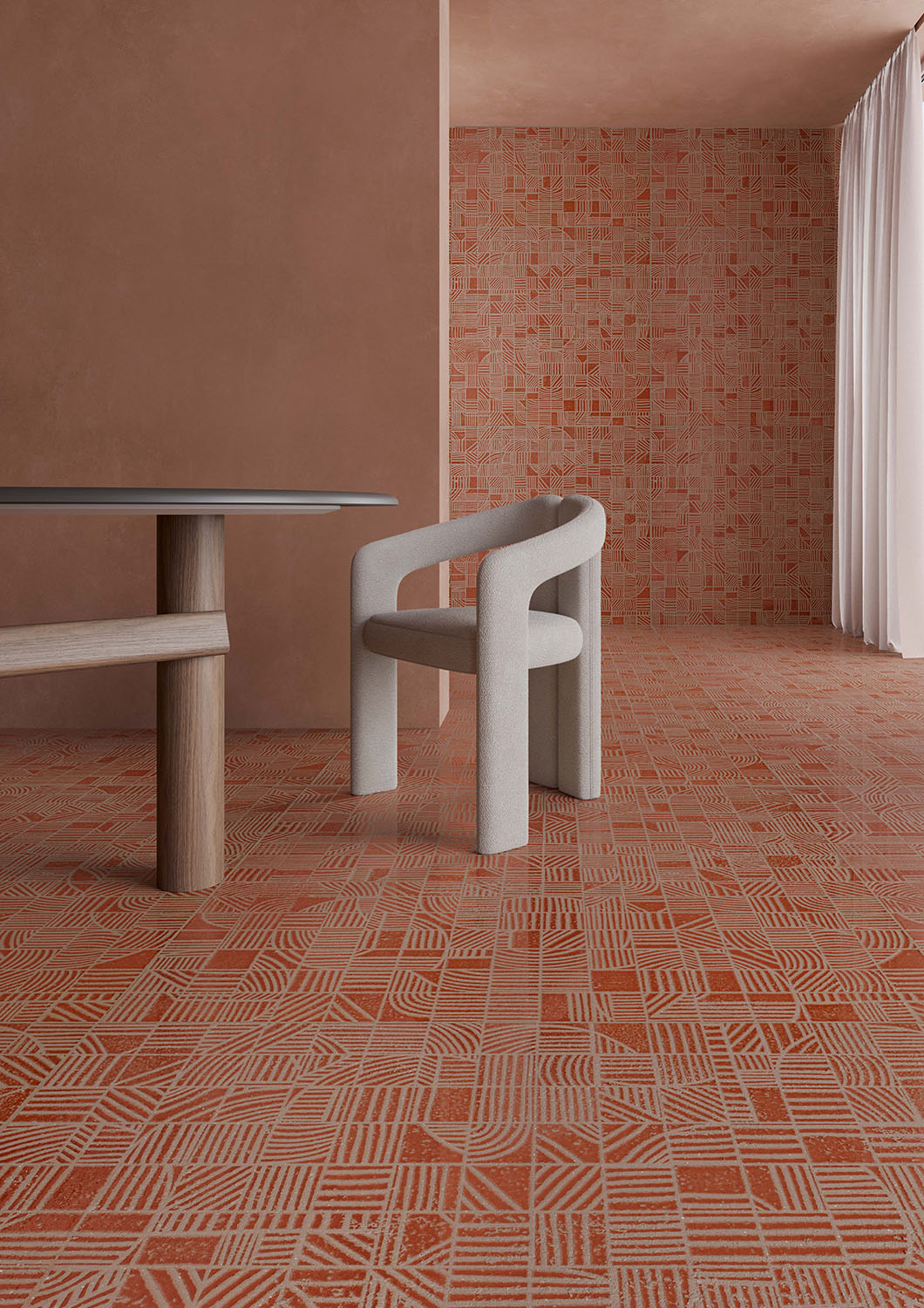
Mutina Kosei
With Kosei, I wanted to go deeper into the history of patterns linked to the world of architecture."
Vincent Van Duysen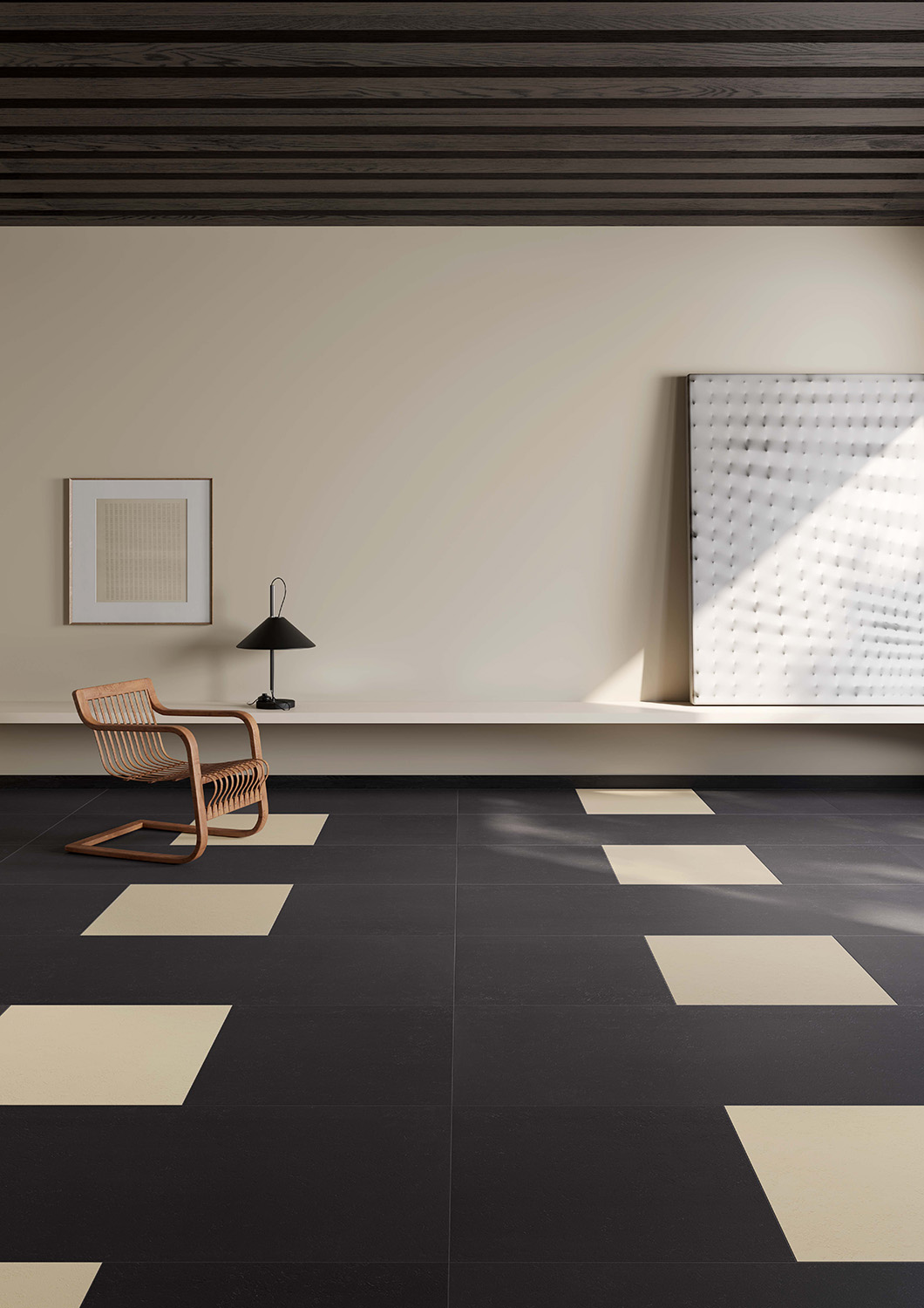
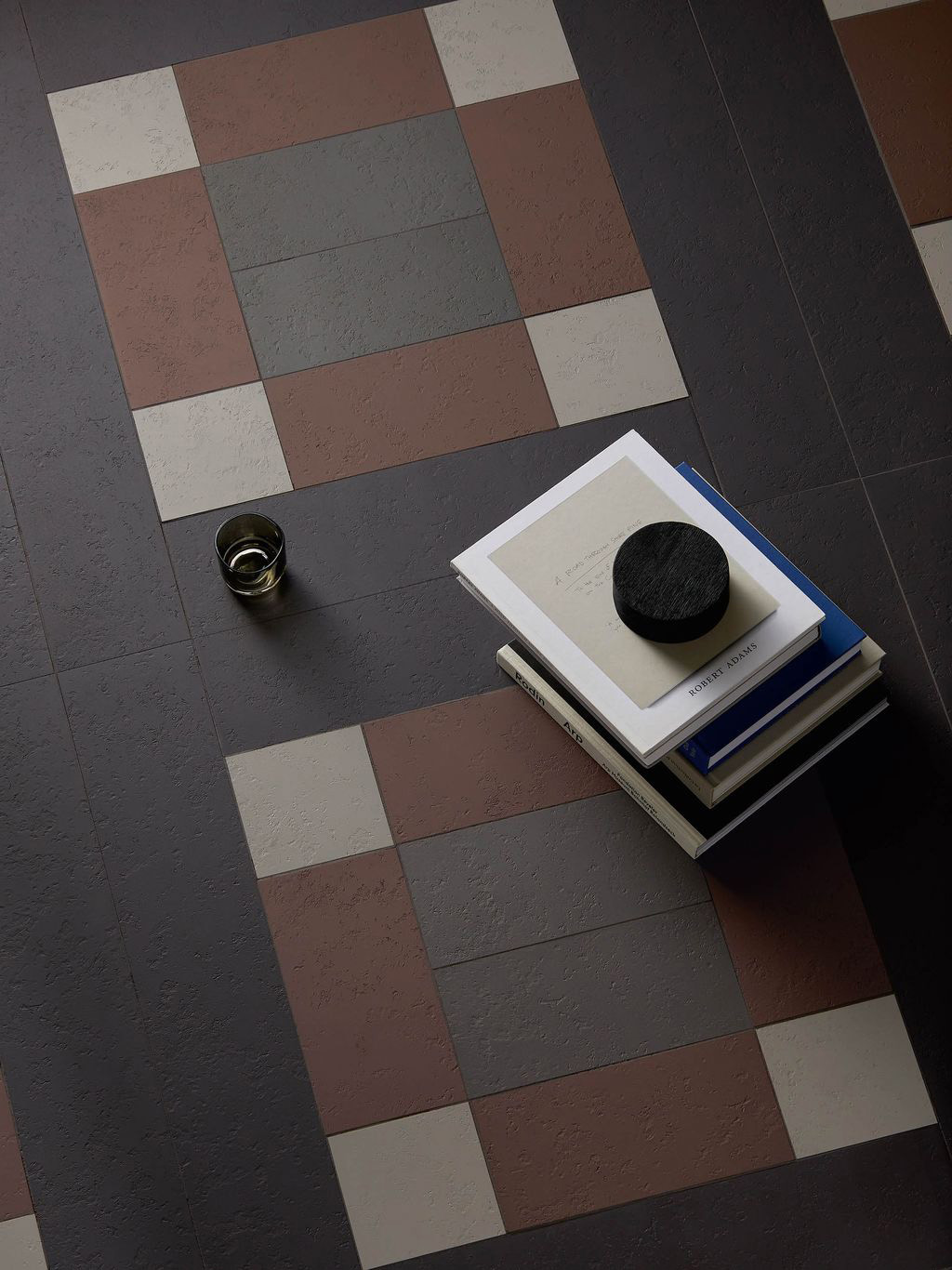
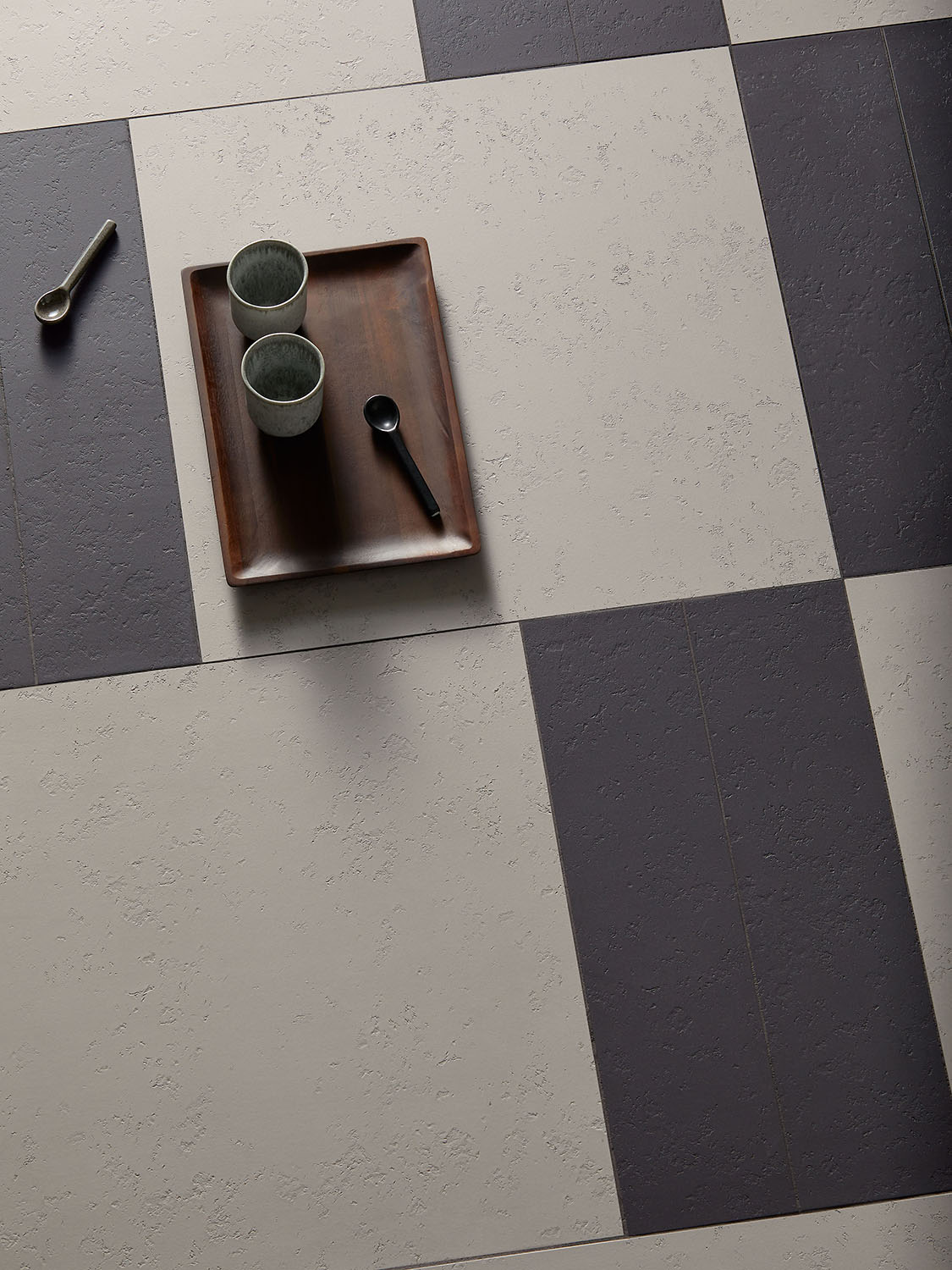
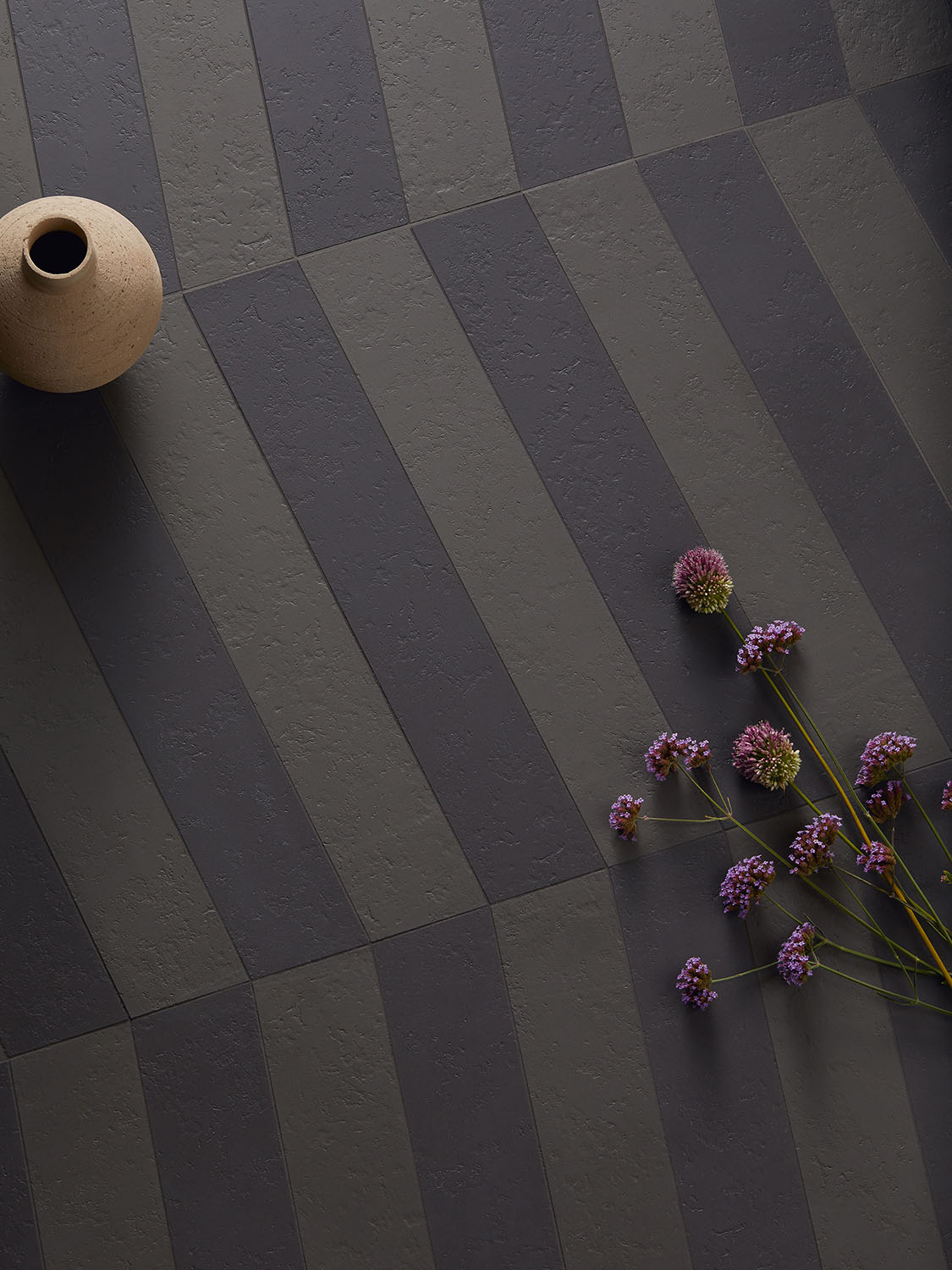
We aimed to capture the natural tones and variations in the light and shade that are present in our surroundings, the landscape of London."
Barber & OsgerbyMutina Mews
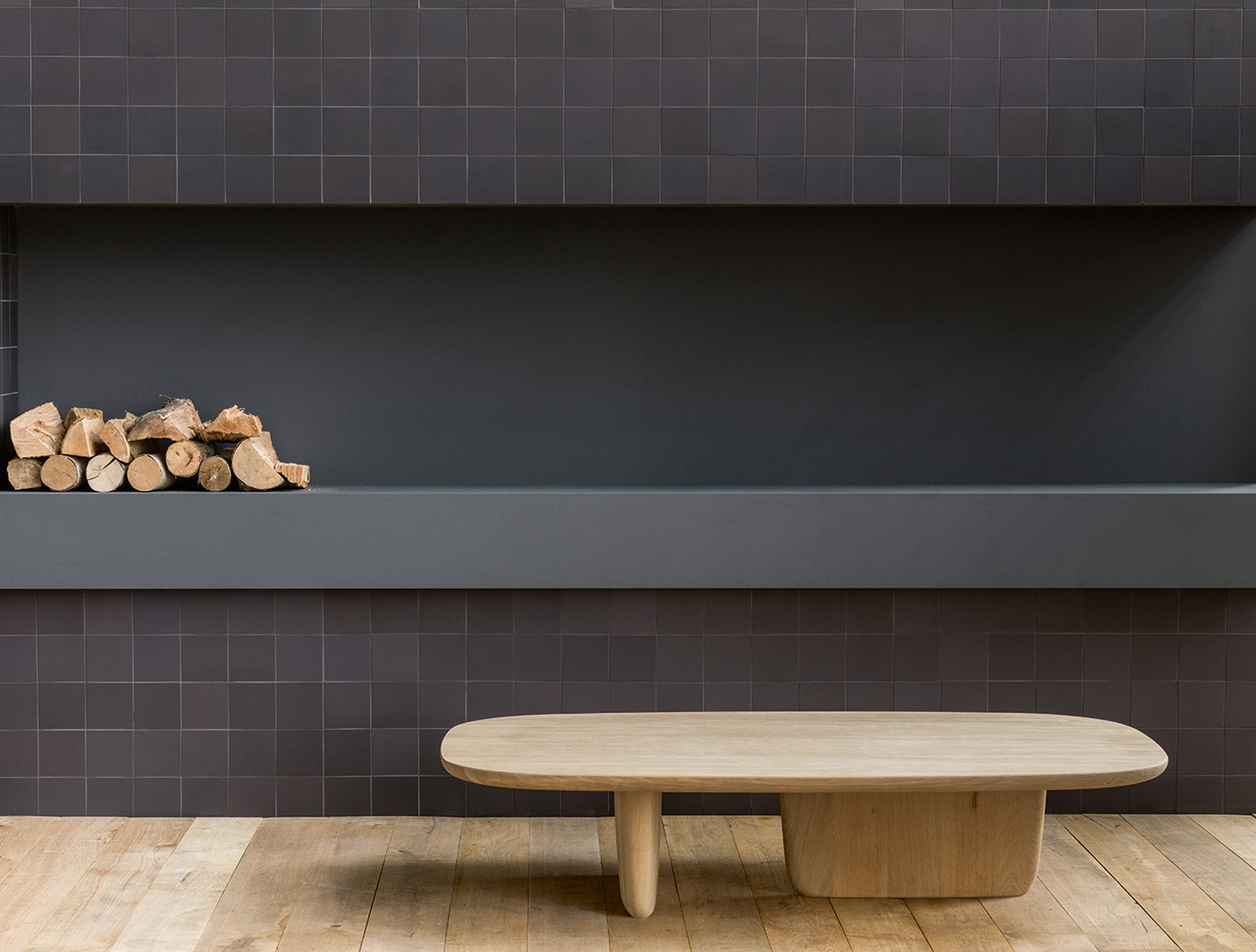
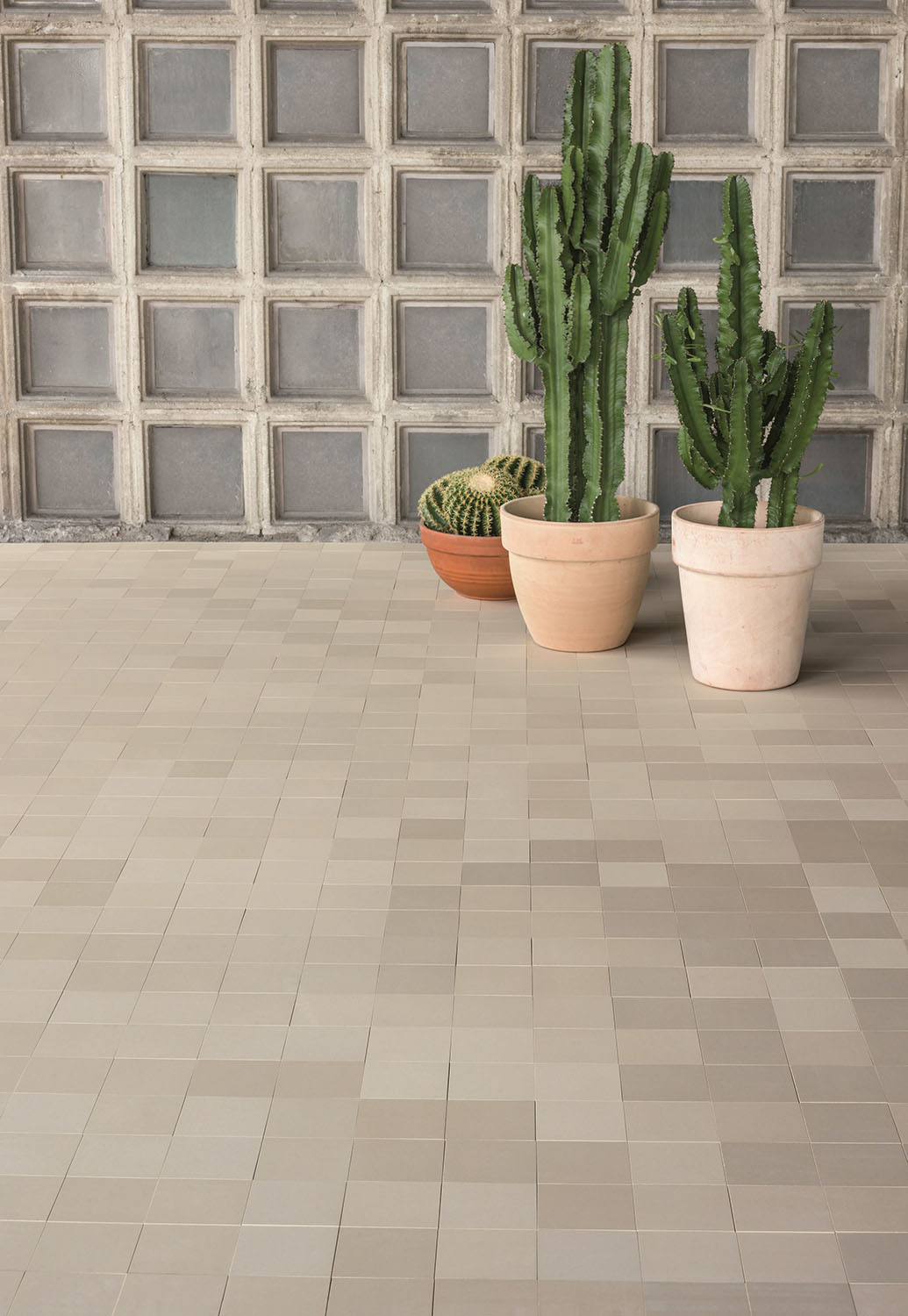
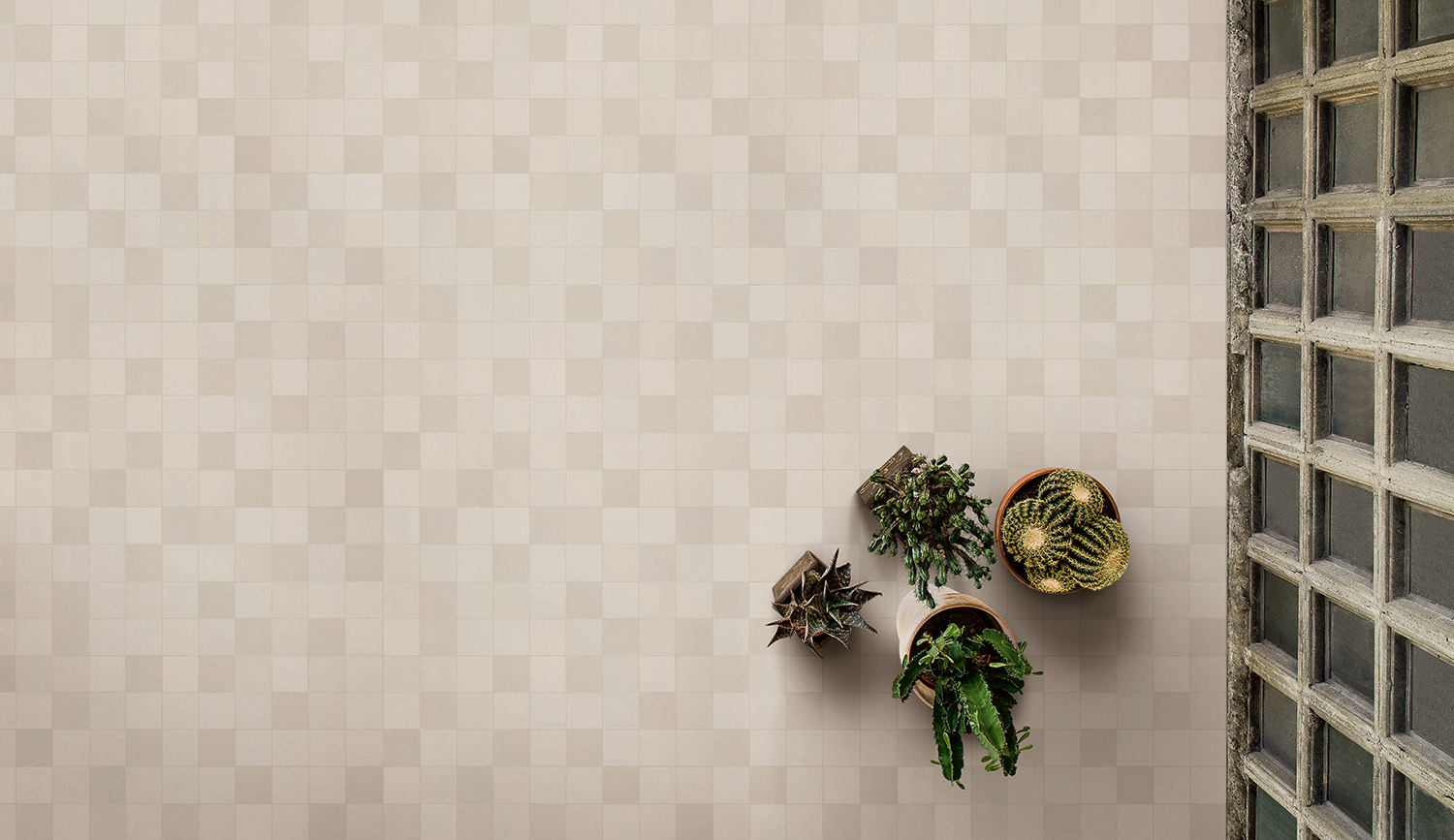
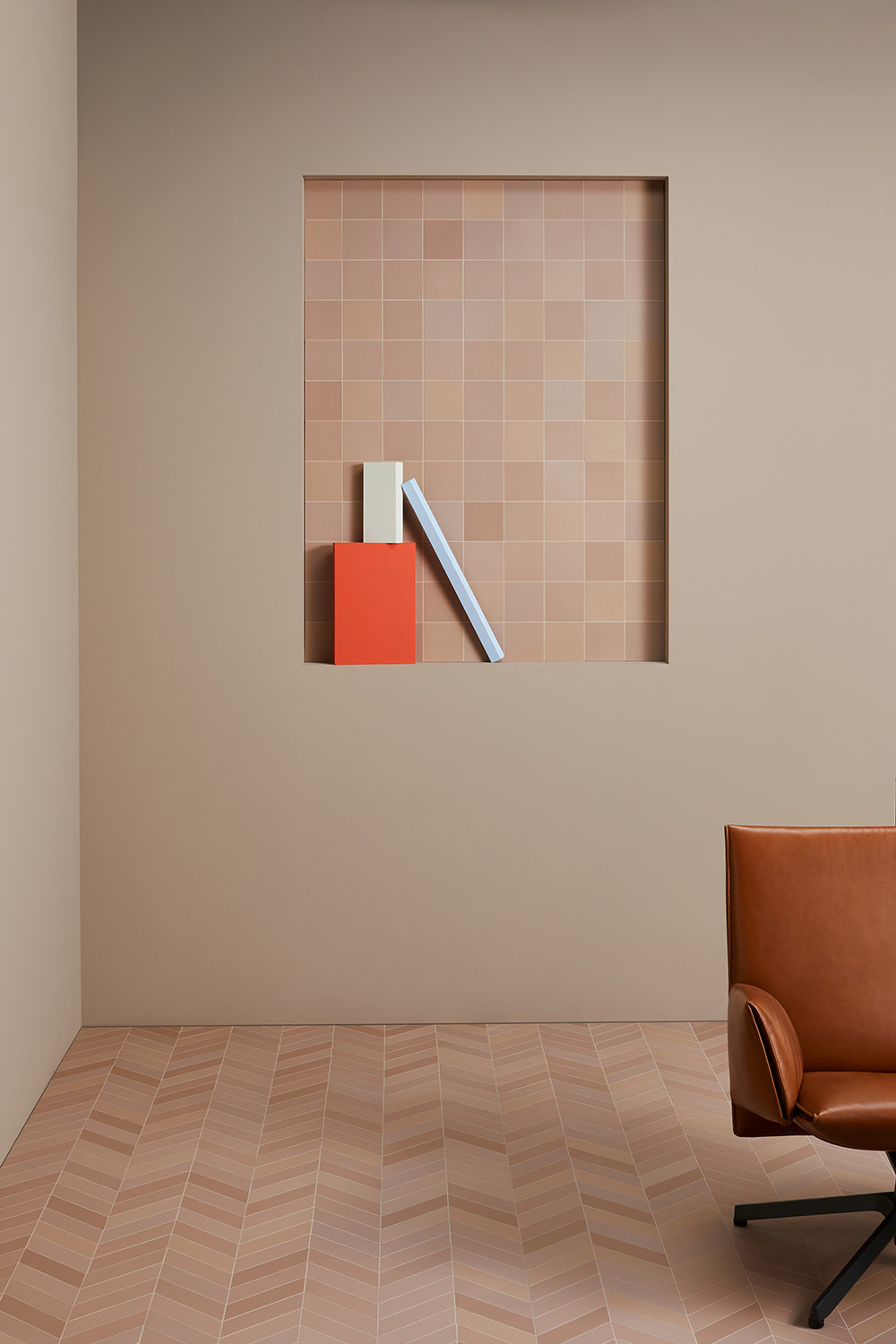
Mutina Pico
Pico is notoriously one of the most satisfying project for us. When museums invite us to create a restrospective exhibition, this collection always has a dominant position."
Ronan & Erwan Bouroullec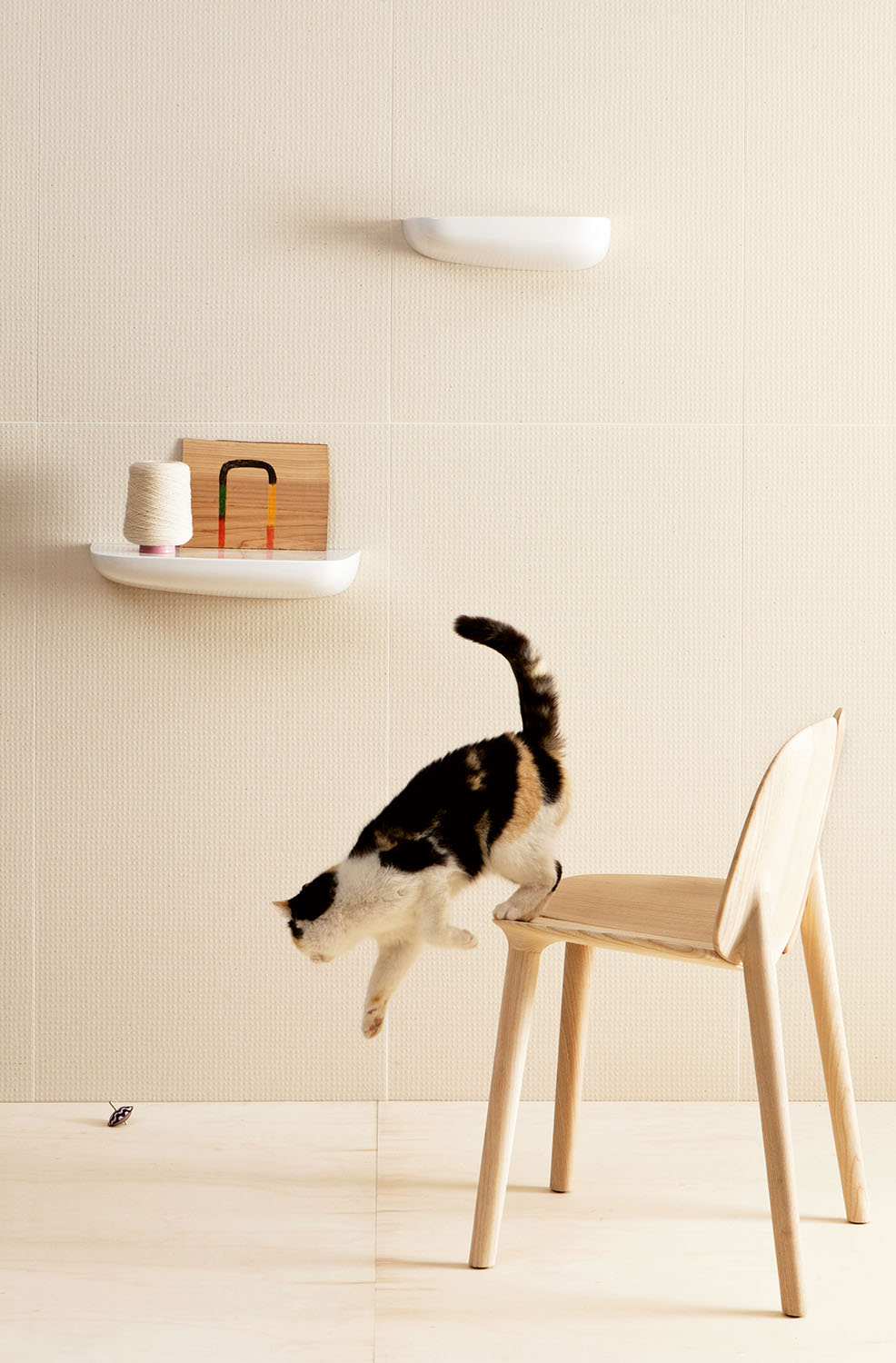
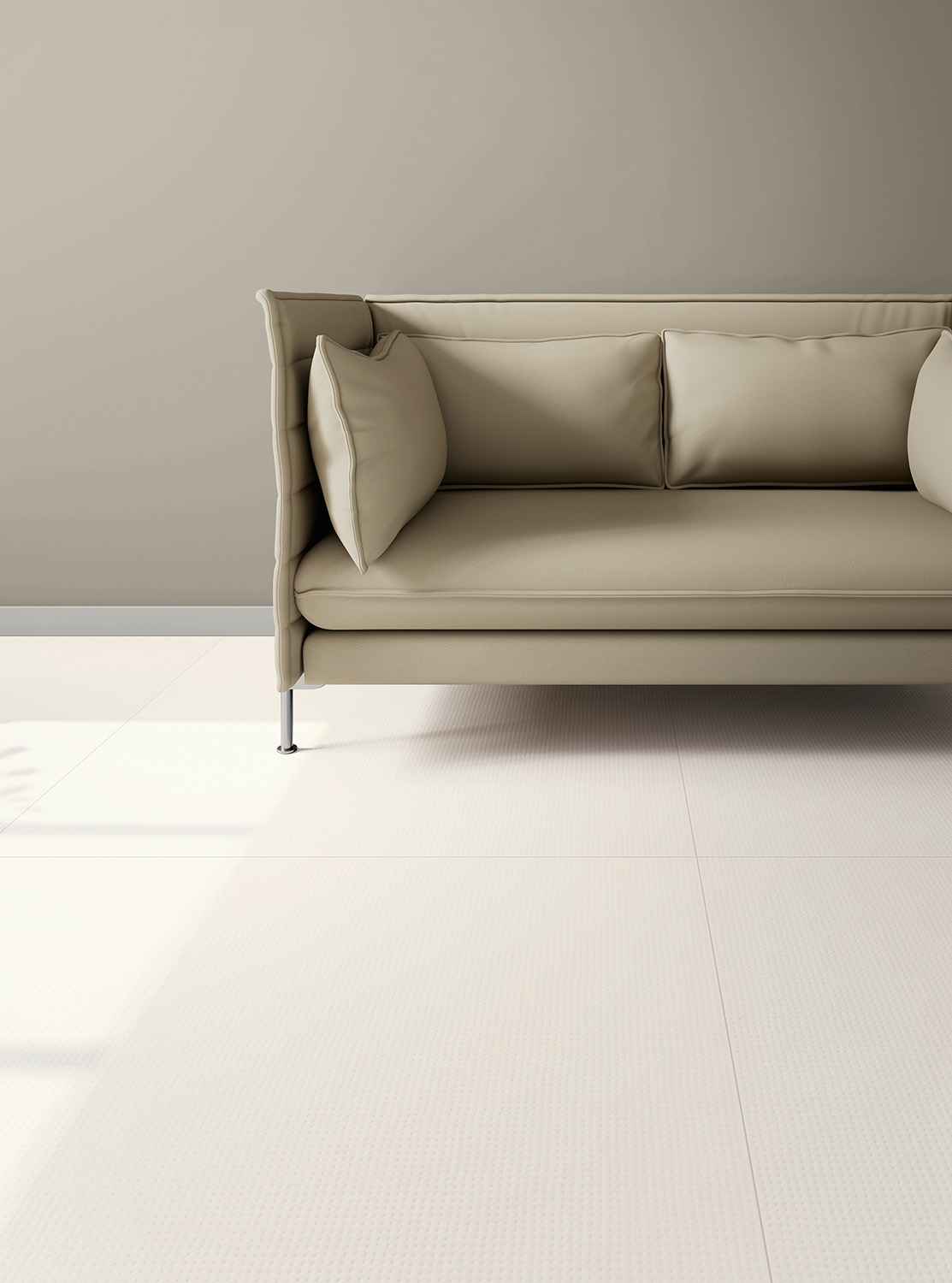
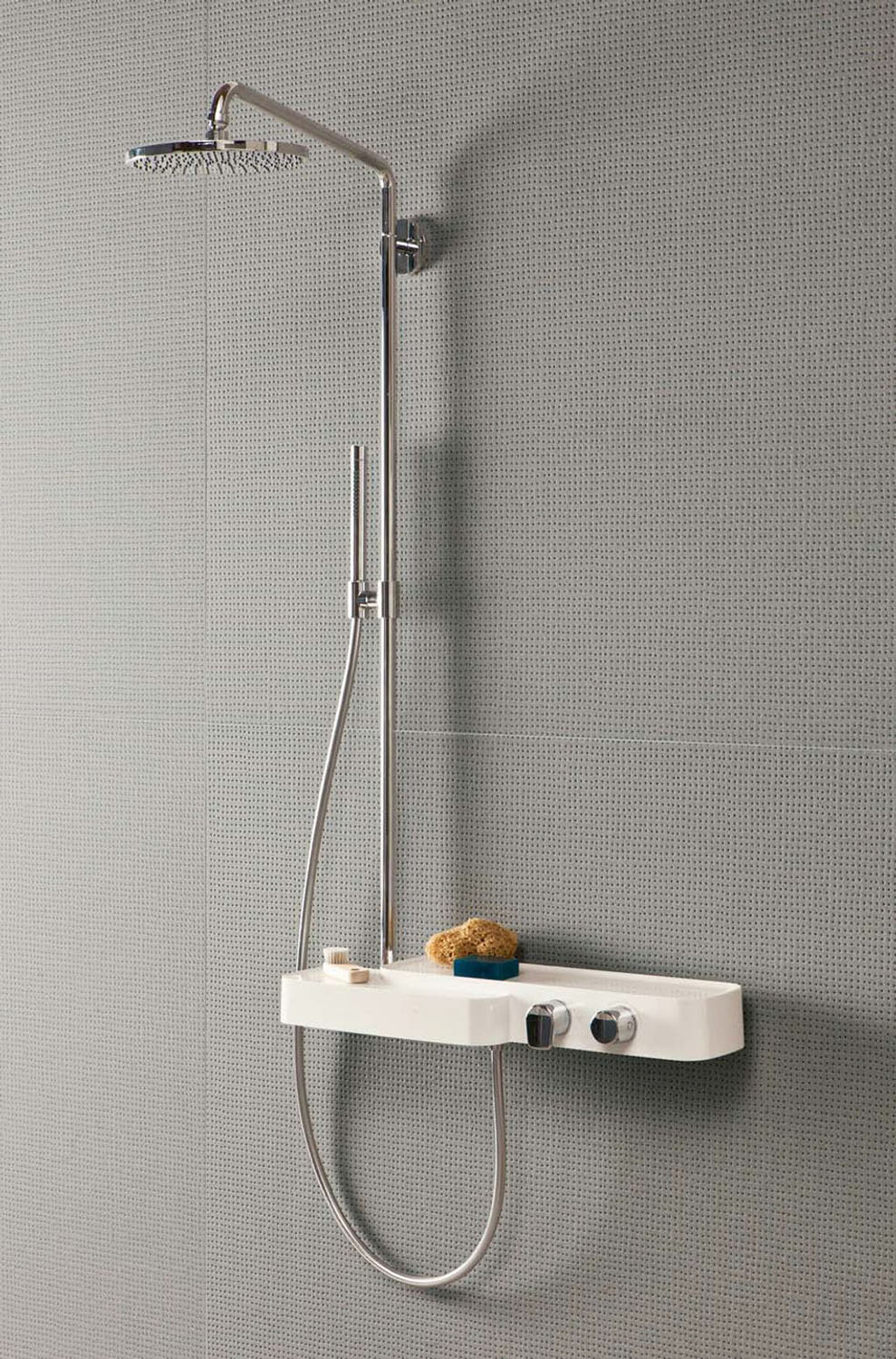
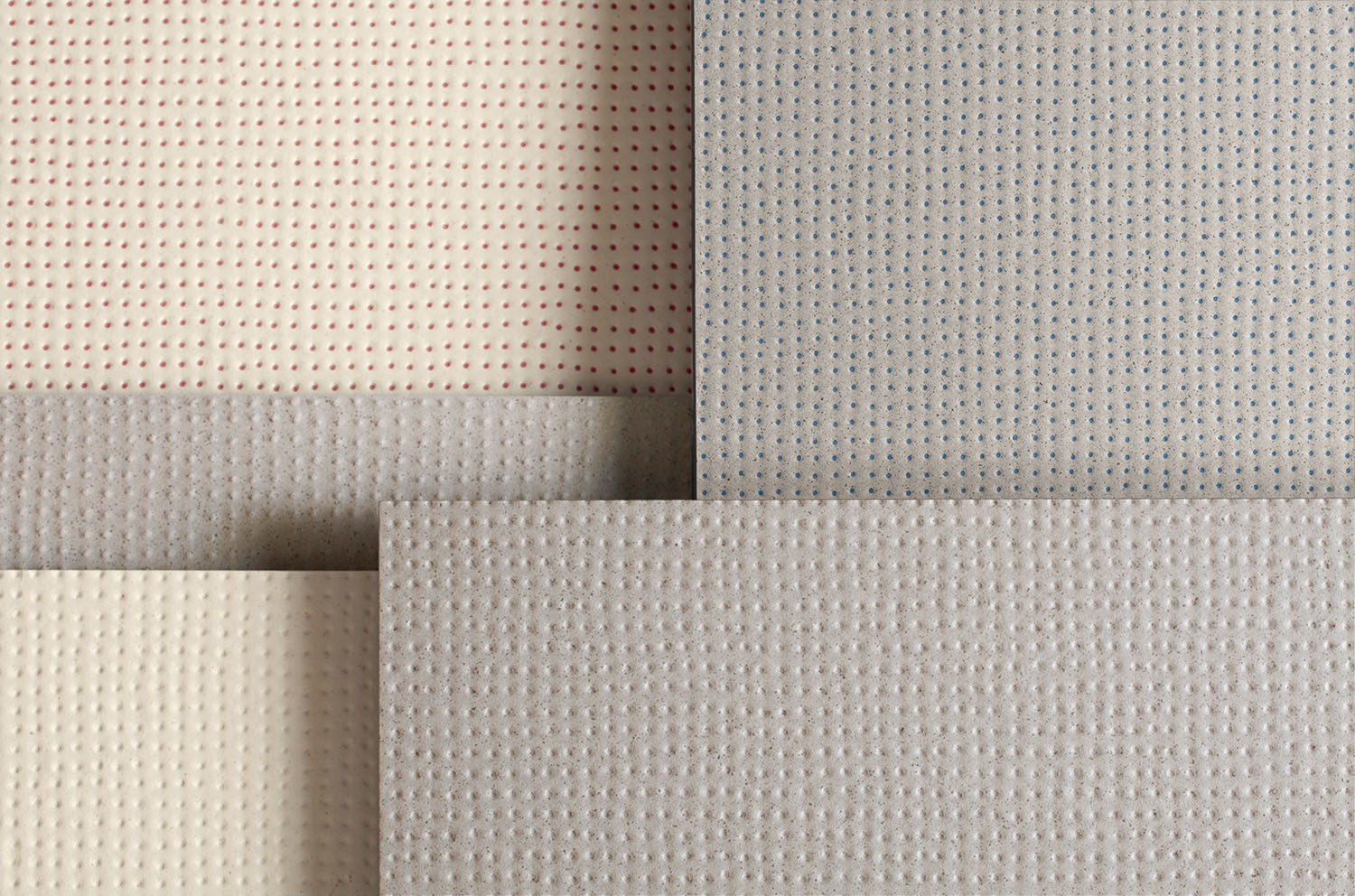
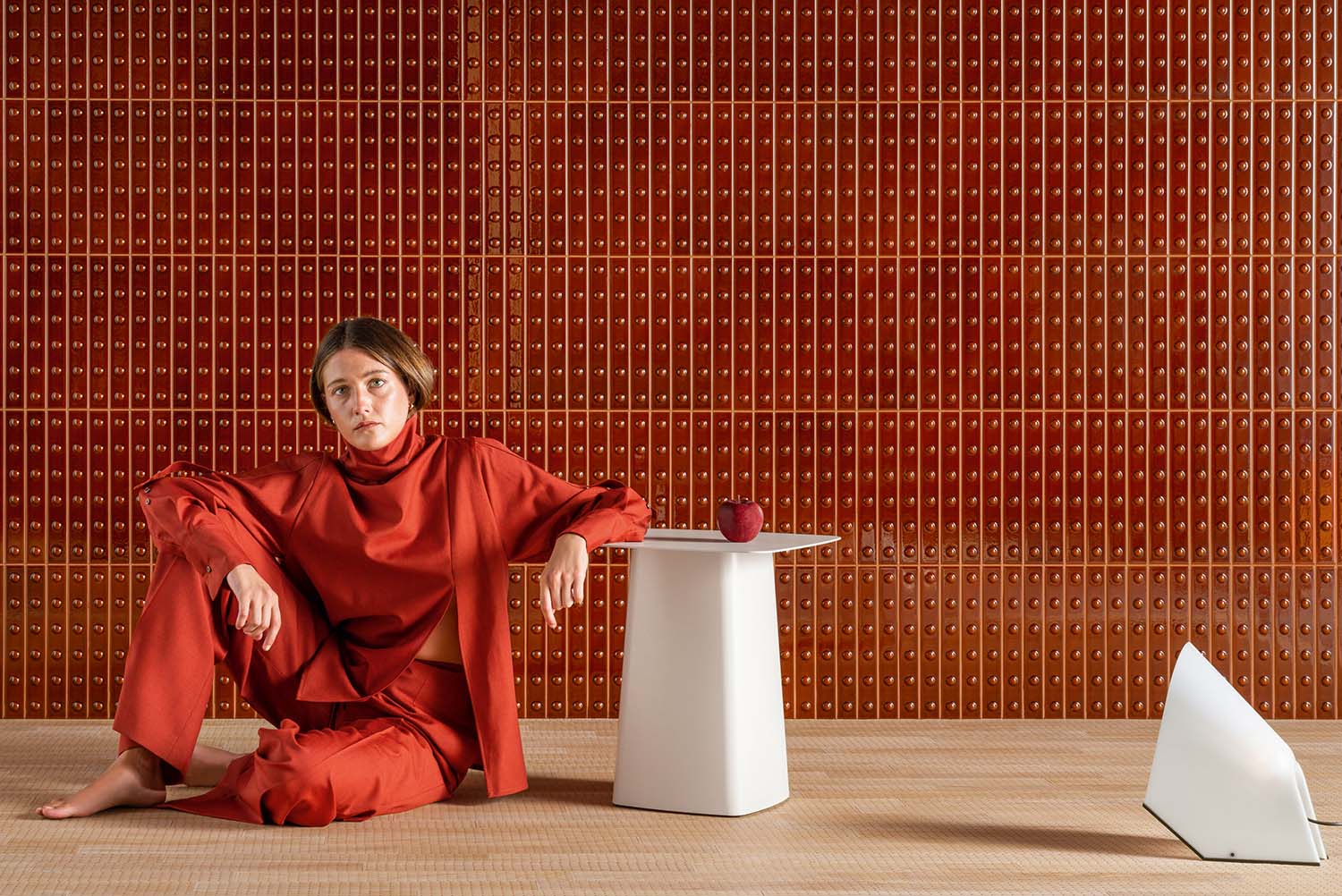
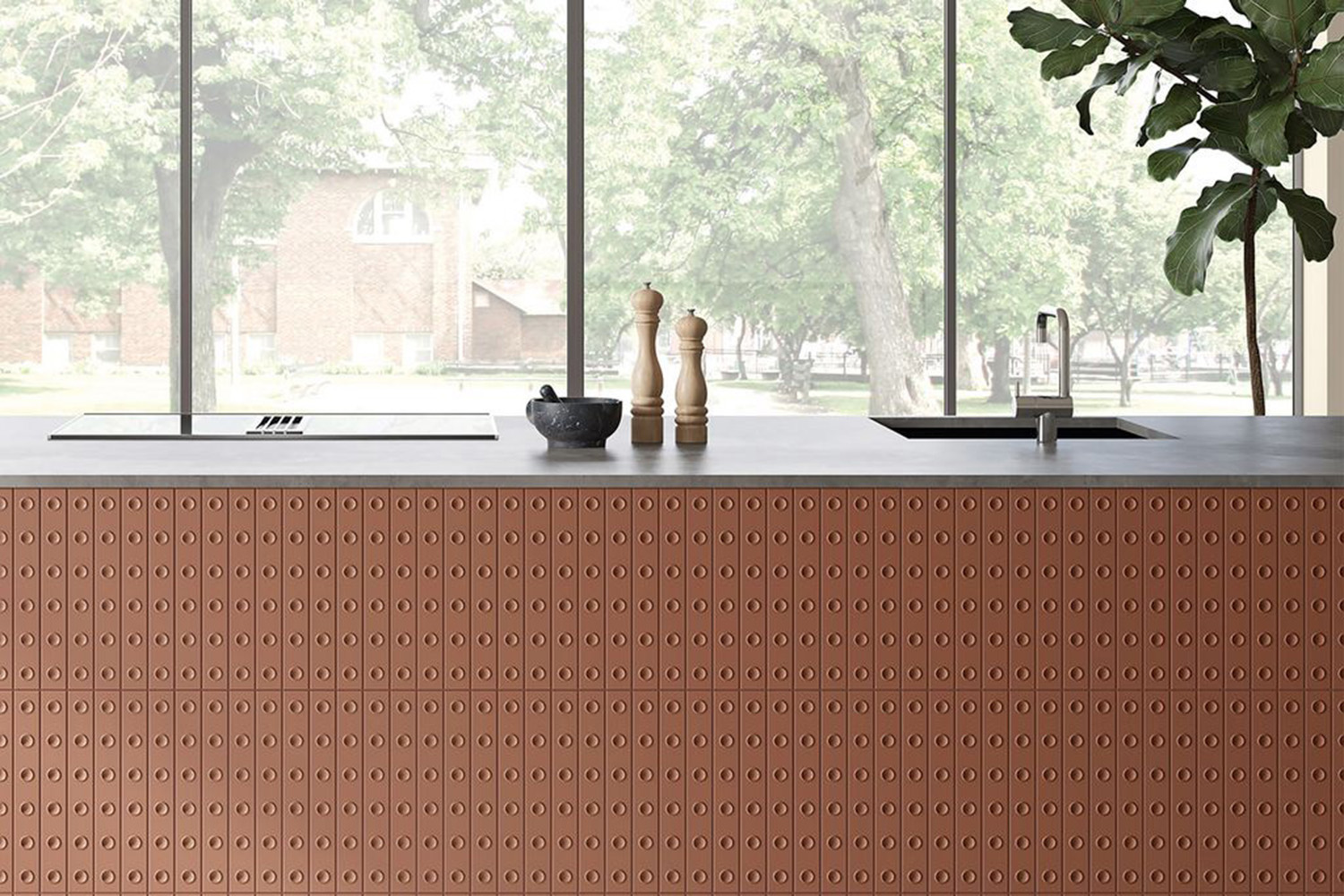
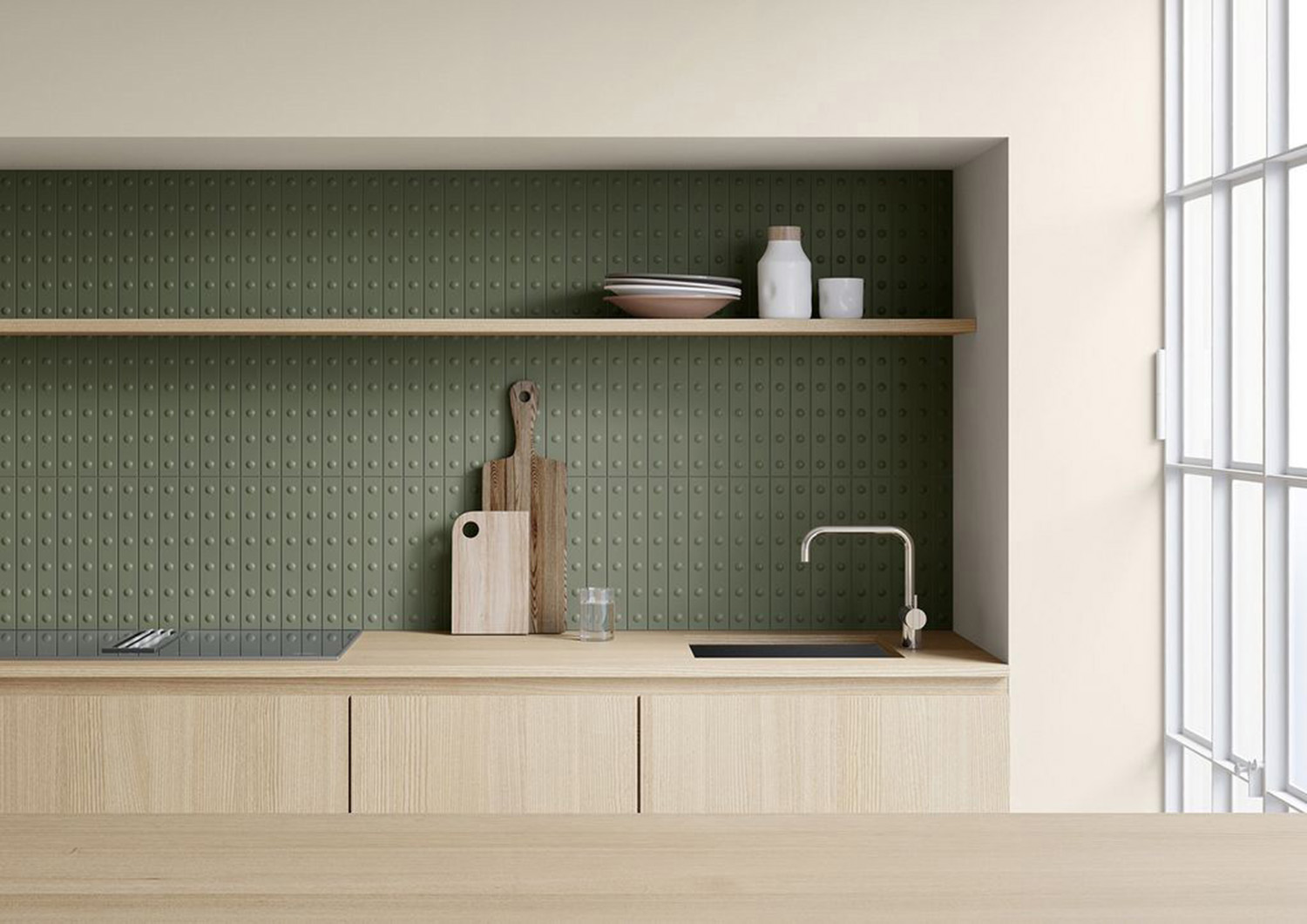
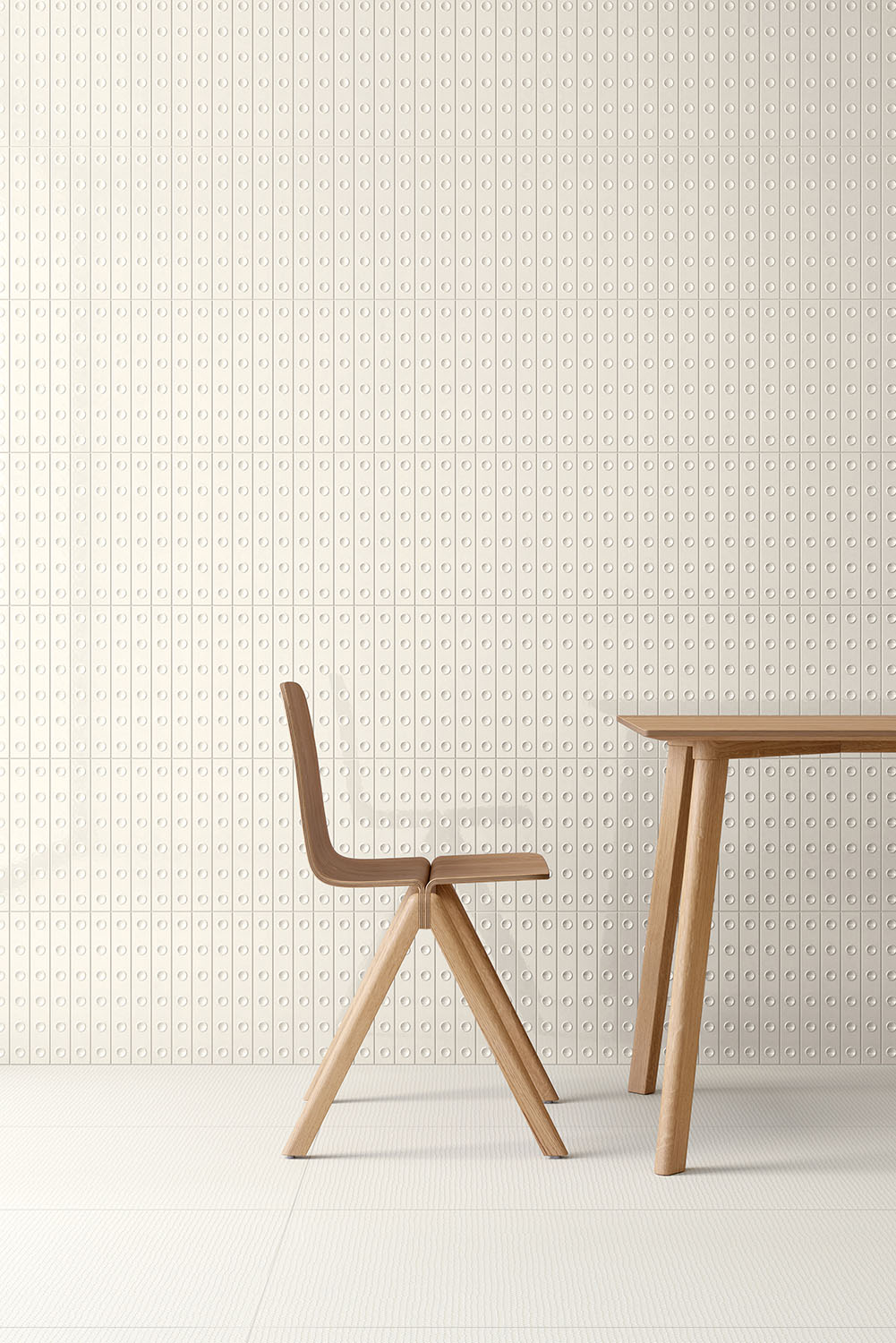
Punto presents a really bold pattern that finds its maximum expression when used on large walls. Light plays a central role when it meets the elevated and sunken dots on the surface of the elements."
Ronan & Erwan BouroullecMutina Punto